
banner mobile bg

PTM Proteomics

PTM proteomics systematically characterizes the types, sites, and dynamics of protein post-translational modifications across the proteome. Deep phosphoproteomics provides large-scale quantiatitative analysis of protein phosphorylation sites and is a useful tool to define signaling network regulation and dysregulation.

Protein phosphorylation is one of the most common and important PTMs. This reversible mechanism occurs through protein kinases and consists of the addition of a phosphate group (PO4) to the polar group R of various amino acids (eg. serine/S, threonine/T, or tyrosine/Y). Phosphorylation is the primary mechanism driving cellular signal transduction. It governs everything from cell cycle progression, apoptosis, and growth to complex metabolic regulation and immune responses. Mapping these systems is a cornerstone of biomedical research.


Novogene provides deep phosphoproteomics services with the Obitrap Astral platform with a throughput of 60 samples per day (60 SPD).The workflow encompasses protein extraction, digestion, enrichment, desalting, instrumental analysis, and data processing with a turnaround time of 4 weeks.


Why Choose Novogene for Your PTM Proteomics Needs?

Deep & High-Accuracy PTM Site Identification

In-depth analysis of PTMs that decodes "dark matter" of life regulation with increased depth of site identification and Improved accuracy of site identification (Class I sites ≥ 90%).

Precise Modification Localization & Dynamic Quantification

Multi-dimensional analysis and annotation that precisely localizes modification sites and quantifies dynamic fluctuations.

Multi-Dimensional Functional Decoding of PTMs

Multi-dimensional functional decoding through the analysis of domains, kinase prediction, interaction networks, disease associations, etc. to transform high-dimensional data into functional catalogues.

Applications

Novogene delivers high-quality data and publication-ready analysis results of deep phosphoproteomics to faciliate research including:

Regulation of protein function

PTMs precisely control protein activity, stability, localization, and interactions. This allows cells to dynamically fine-tune protein behavior in response to stimuli, regulating essential processes from signal transduction and metabolism to gene expression.

Enzyme regulation

PTMs directly regulate enzyme activity. For instance, phosphorylation can activate or inhibit catalytic function, thereby controlling key cellular signaling and metabolic pathways.

Cell signaling

PTMs are central to cellular communication. Modifications (like phosphorylation) act as molecular switches that turn proteins "on" or "off," enabling cells to relay and respond to signals effectively.

Disease biomarkers

Aberrant PTM patterns are directly linked to diseases such as cancer and neurodegenerative disorders. Detecting these altered PTMs provides valuable biomarkers for improved diagnosis, prognosis, and drug target identification.

Drug development

Understanding PTMs enables the design of targeted therapies. Modifying specific PTMs can restore normal protein function and cellular processes, presenting promising new therapeutic strategies.

Specifications

Sample Requirements

Sample amounts are listed for reference only. Download the Sample Submission Guidelines to learn more. For detailed information, please contact us with your customized requests.

Sample TypeAmount
Animal tissuesGeneral tissue (brain, heart, liver, spleen, lung, kidney, muscle, etc.)100 mg
Plant tissuesSoft tissues (leaves, flowers, algae, ferns, etc.)500 mg
Fruit pulp1 g
Seeds5 g
Pollen4 g
CellsSuspension/Adherent cultured cells400 μL
MicroorganismsCommon bacteria2×107 (50 μL cell pellet)
Fungal mycelium200 mg or 200 μL pellet

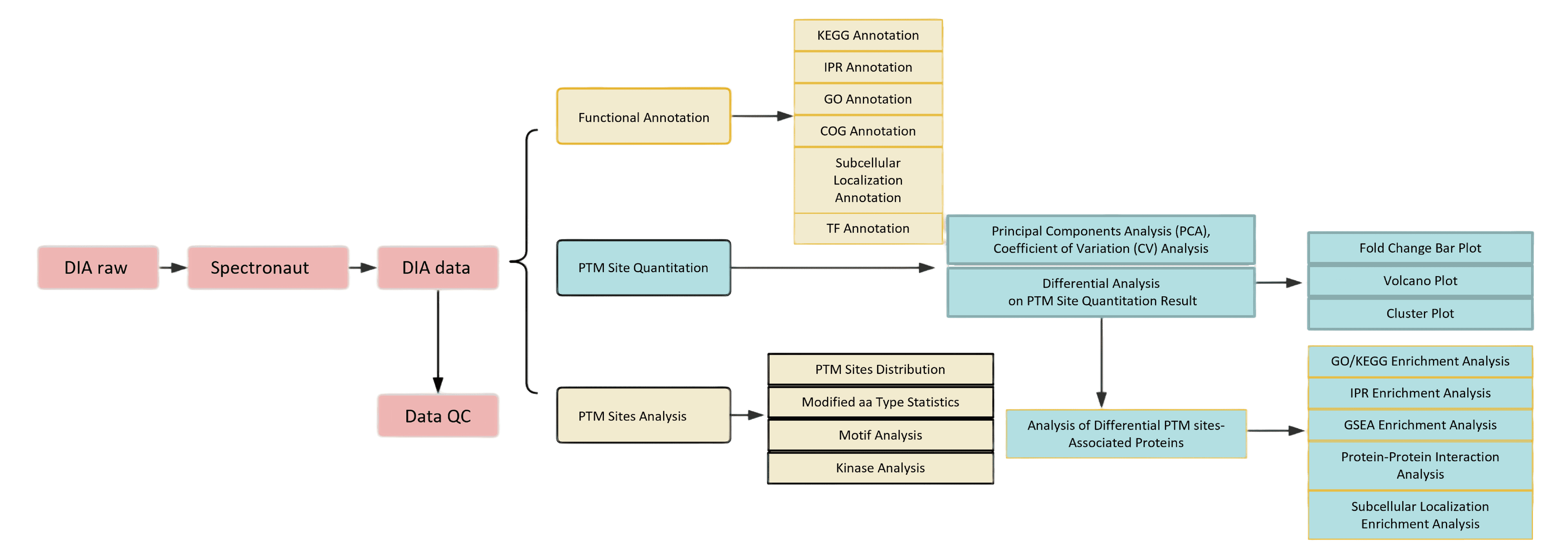
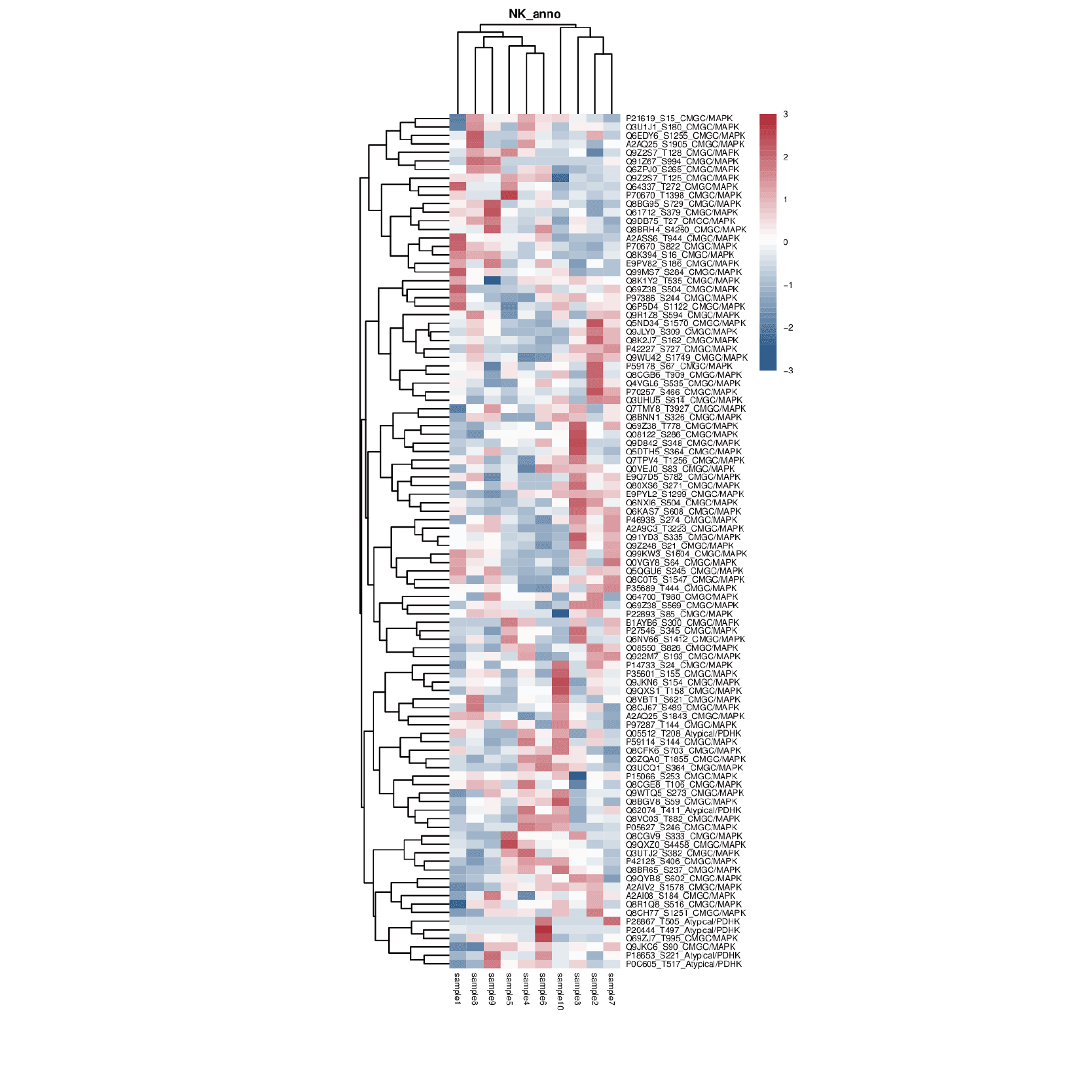
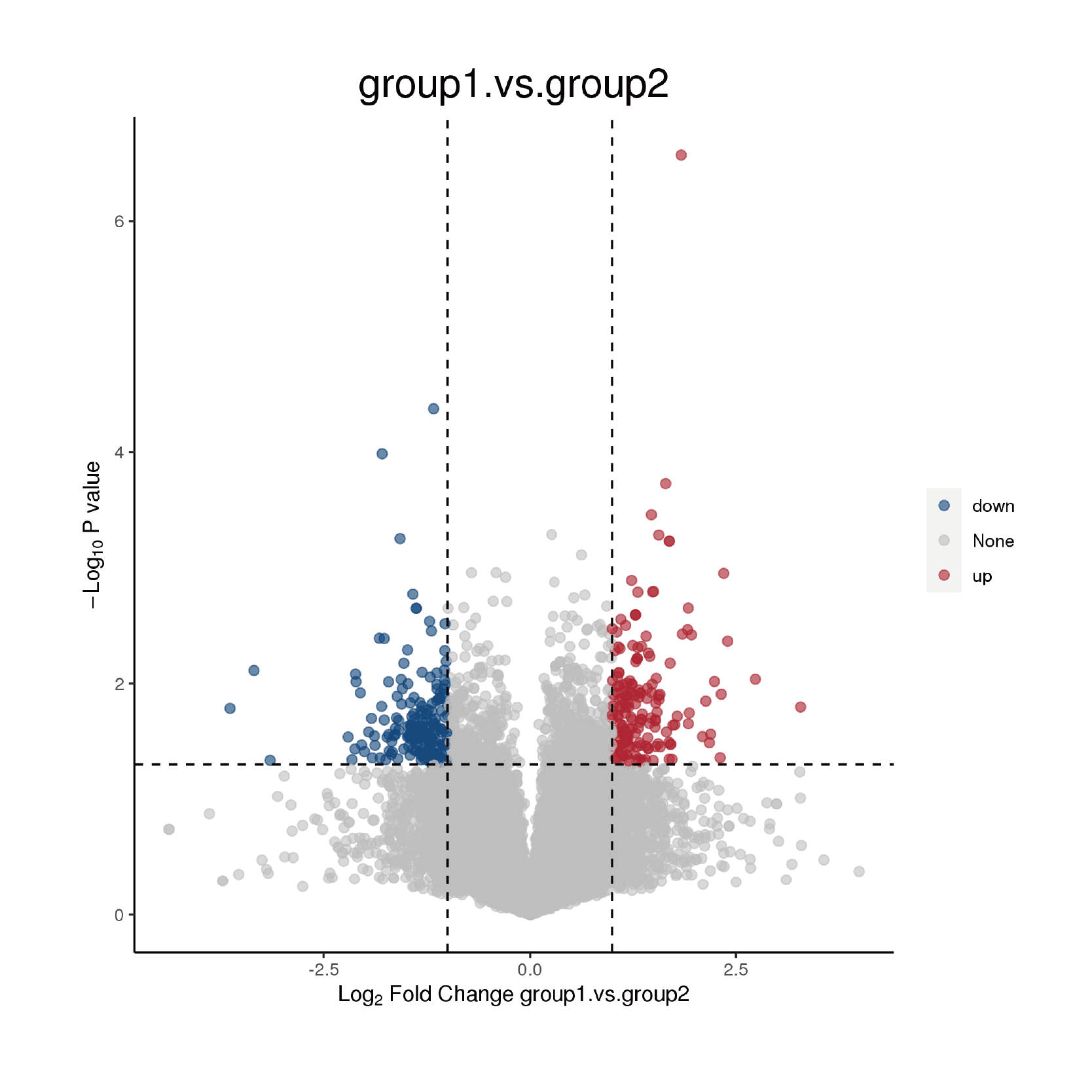
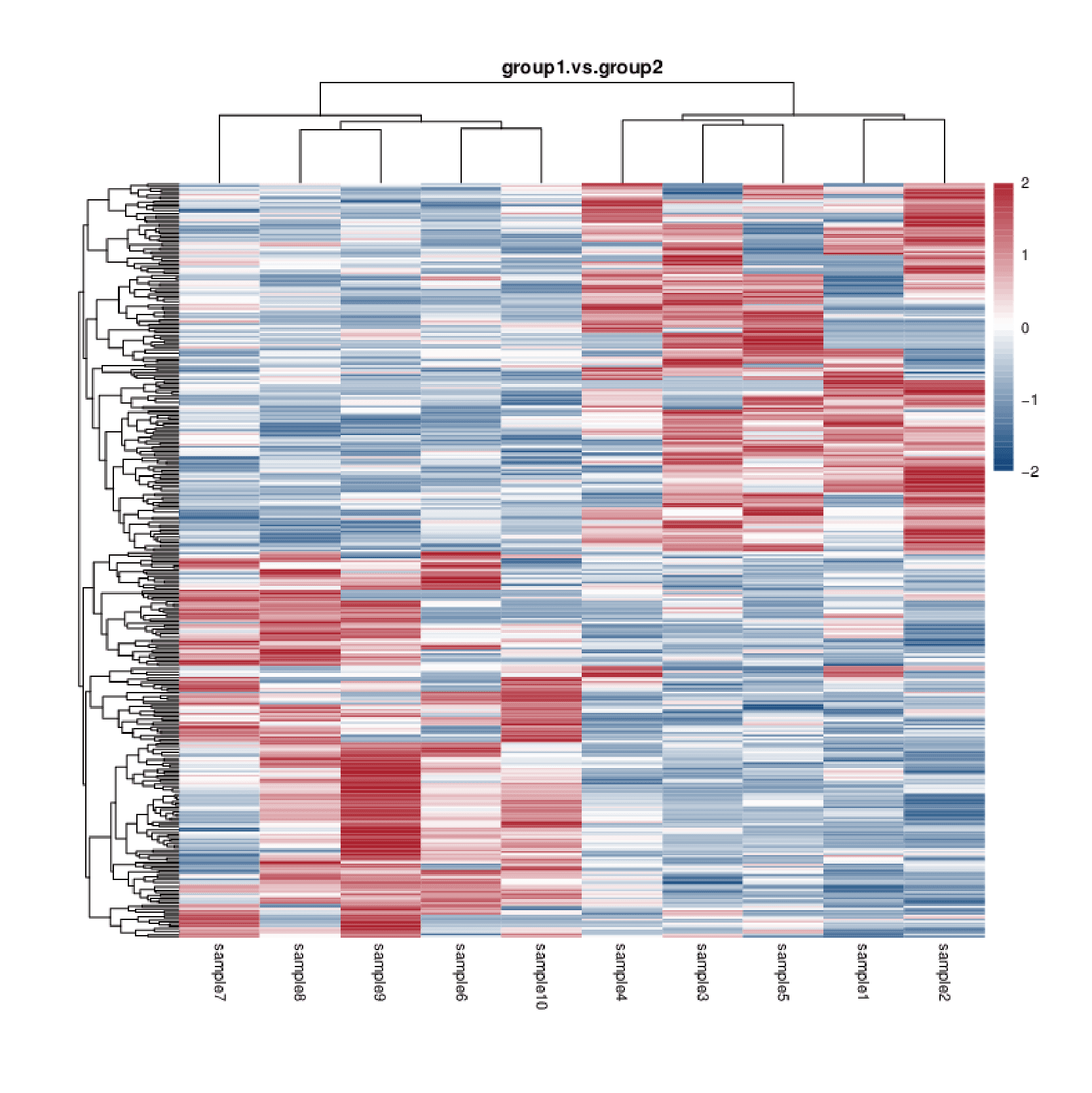
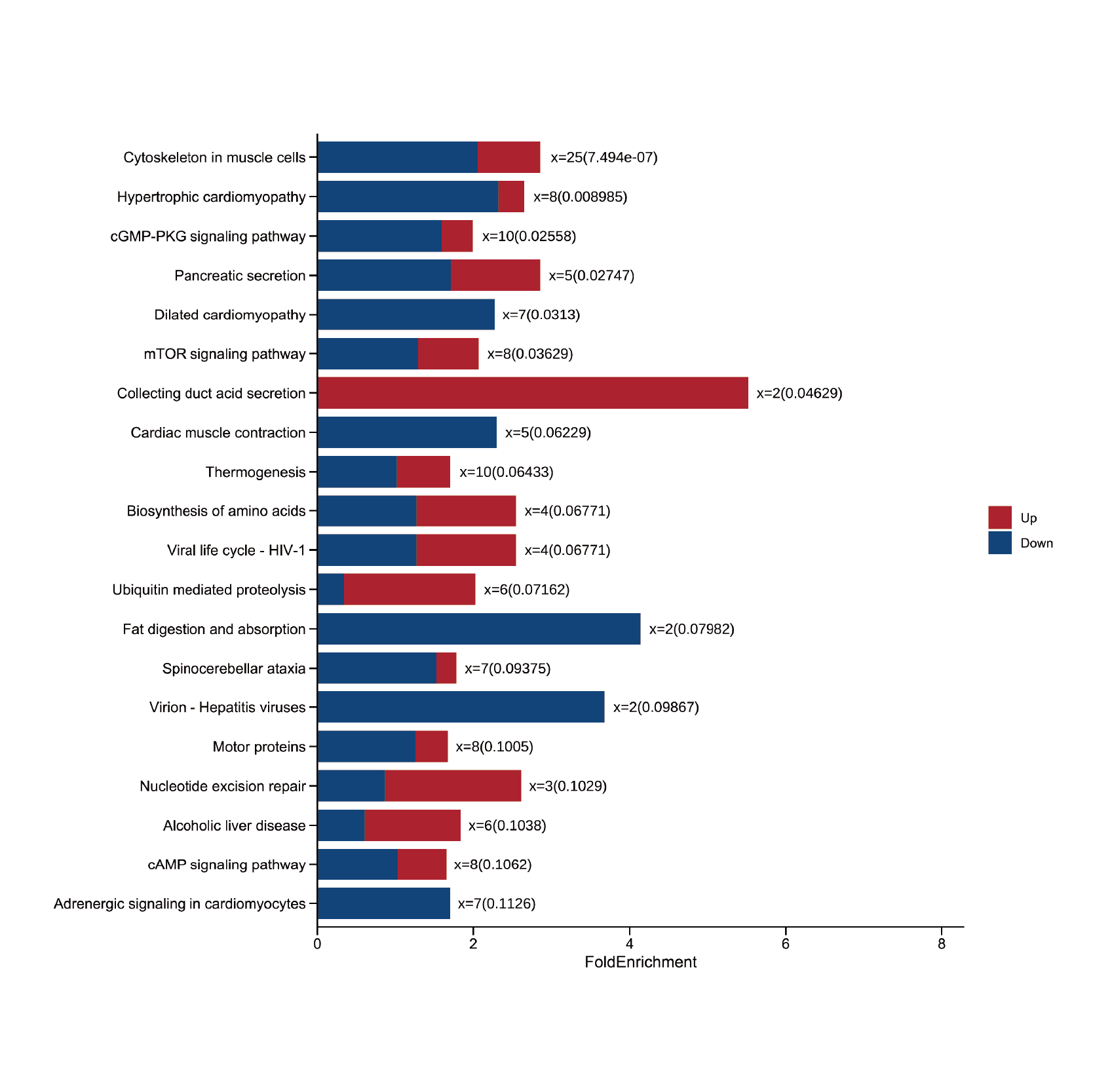
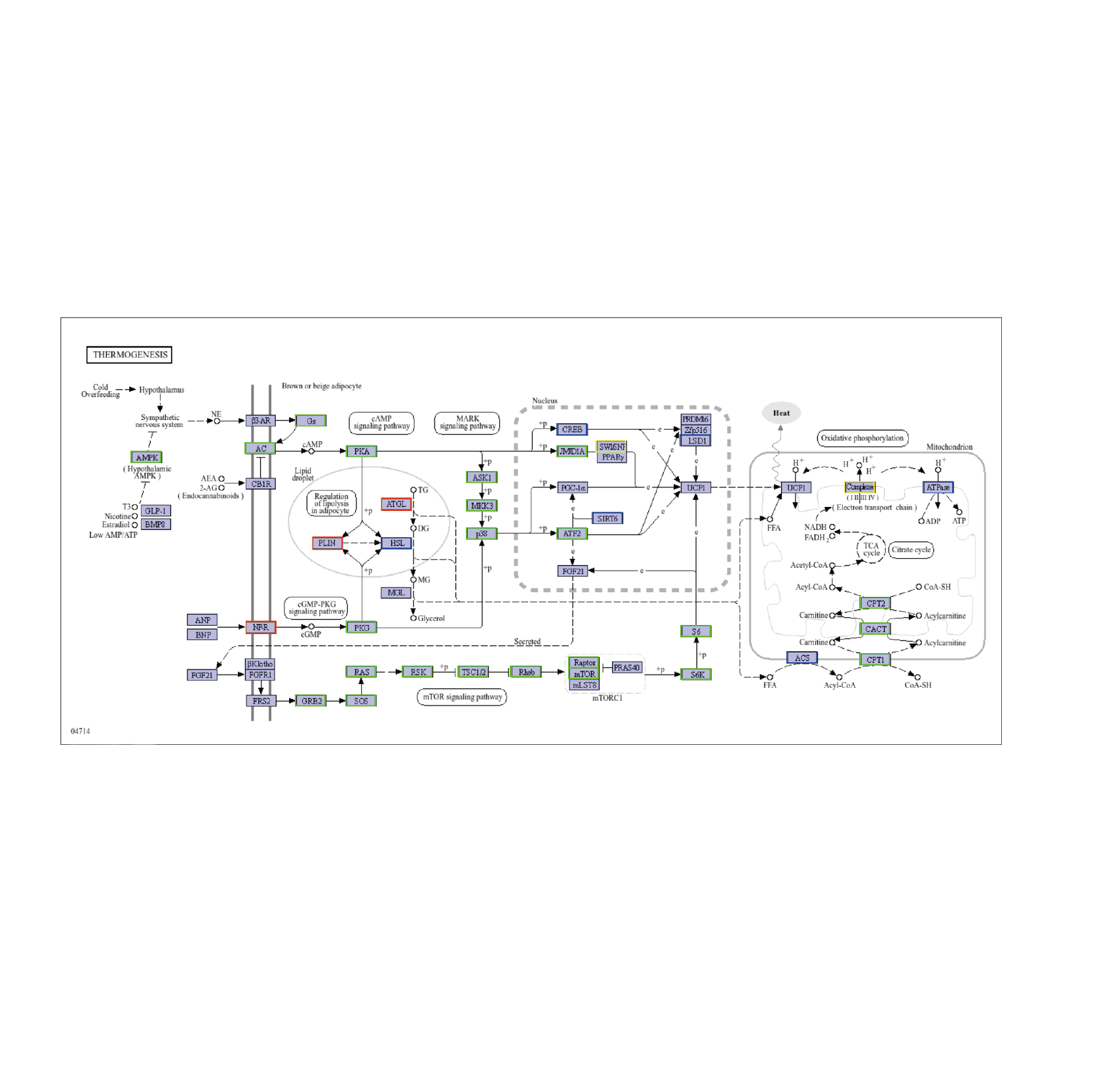
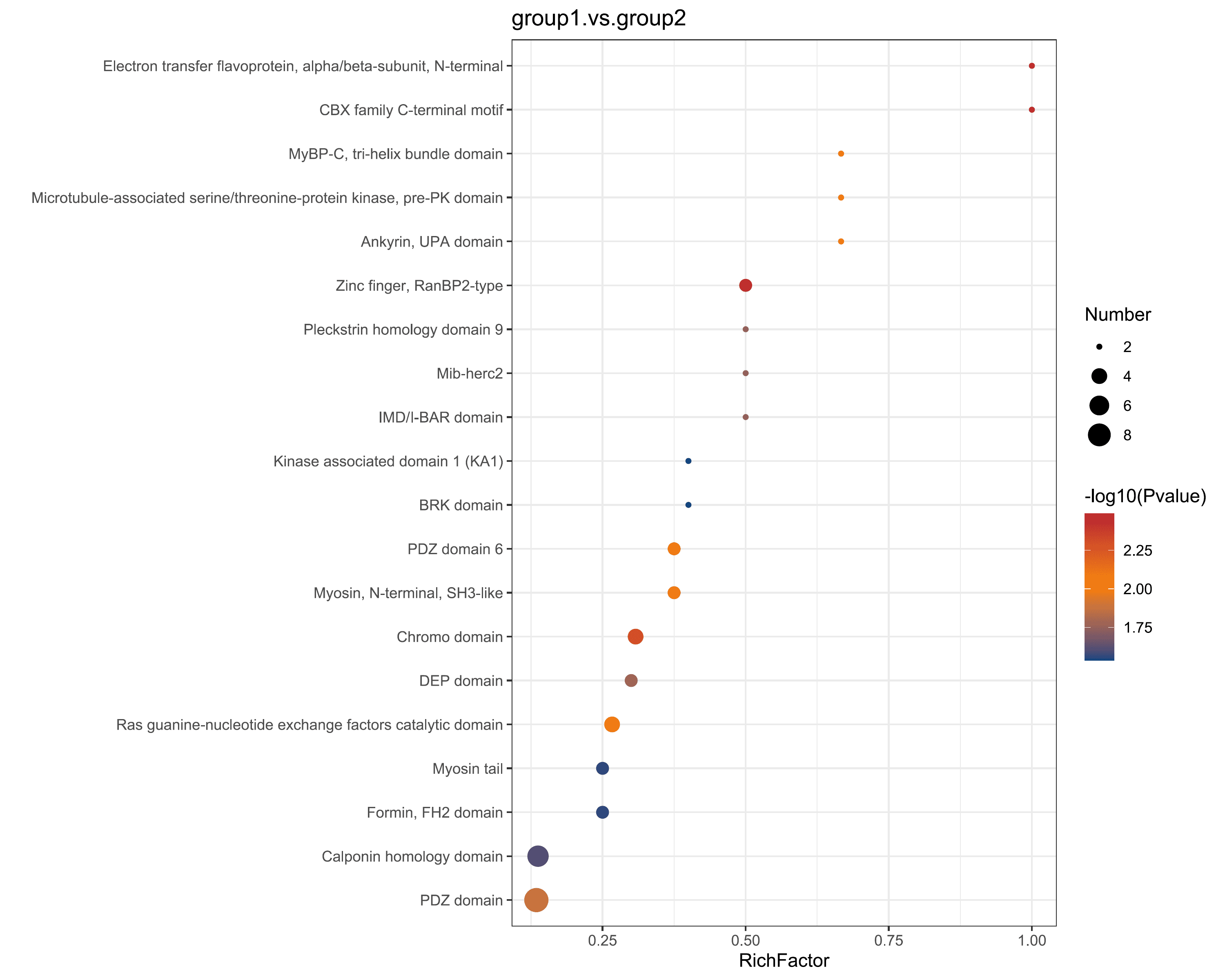
Overview of Data Processing and Bioinformatic Analysis

Recommended data outputs and analysis contents displayed are for reference only. For detailed information, please contact us with your customized requests.

Overview of Data Processing and Bioinformatic Analysis

Project Workflow

Novogene provides high-quality products and expert services throughout the entire project workflow. From sample preparation to data acquisition, every step in the process-including protein extraction, quantification, detection, enzymatic digestion, modified peptide enrichment and desalting, and mass spectrometry analysis can influence the quality of the data. To ensure accurate and reliable results, Novogene maintains tight control over each step, fundamentally safeguarding data quality. The experimental workflow is provided below.

Project Workflow

Resources

Background

Ready to Start Your Project?

Our platform offers tailored solutions for

your unique experimental needs, ensuring a seamless experience from project design to data delivery.