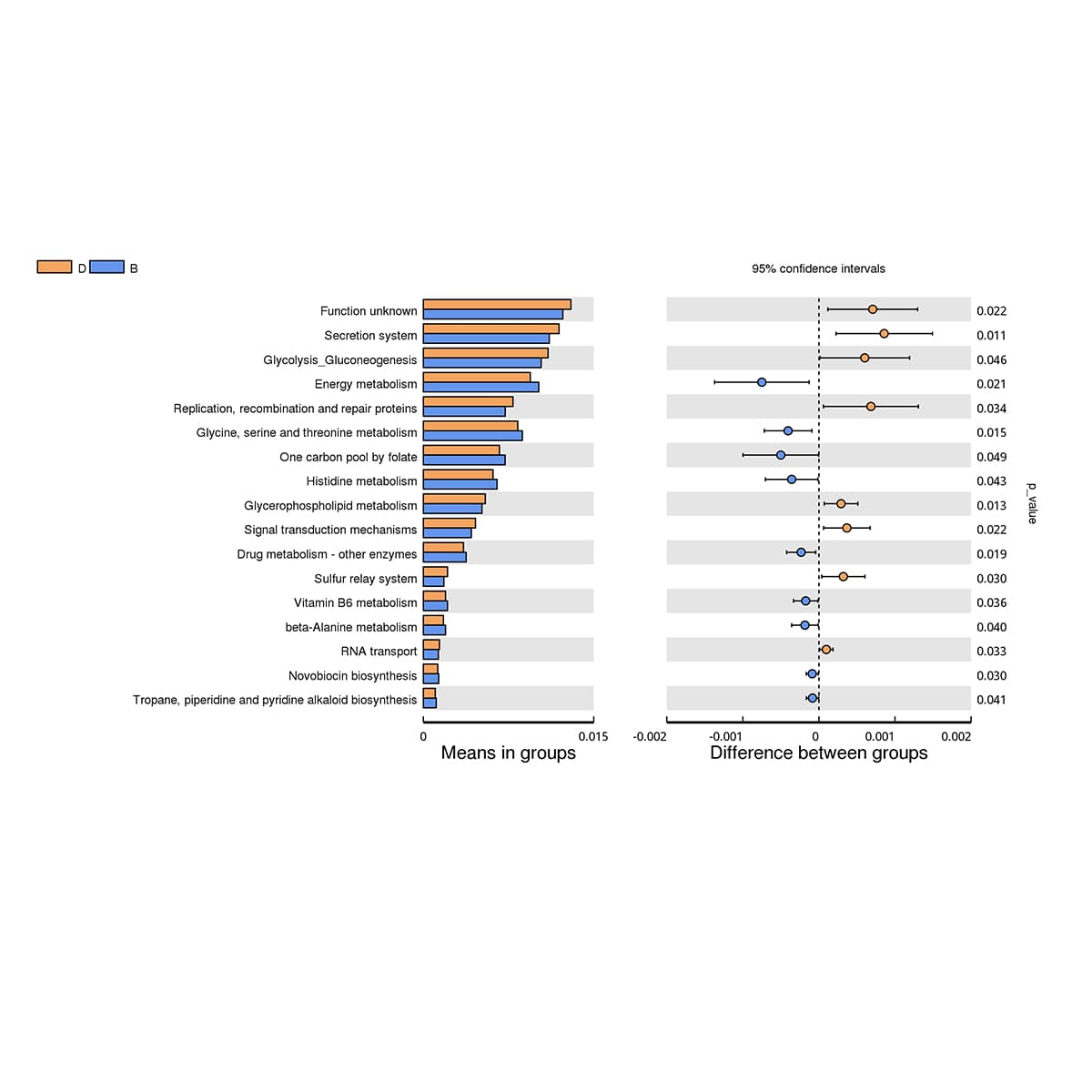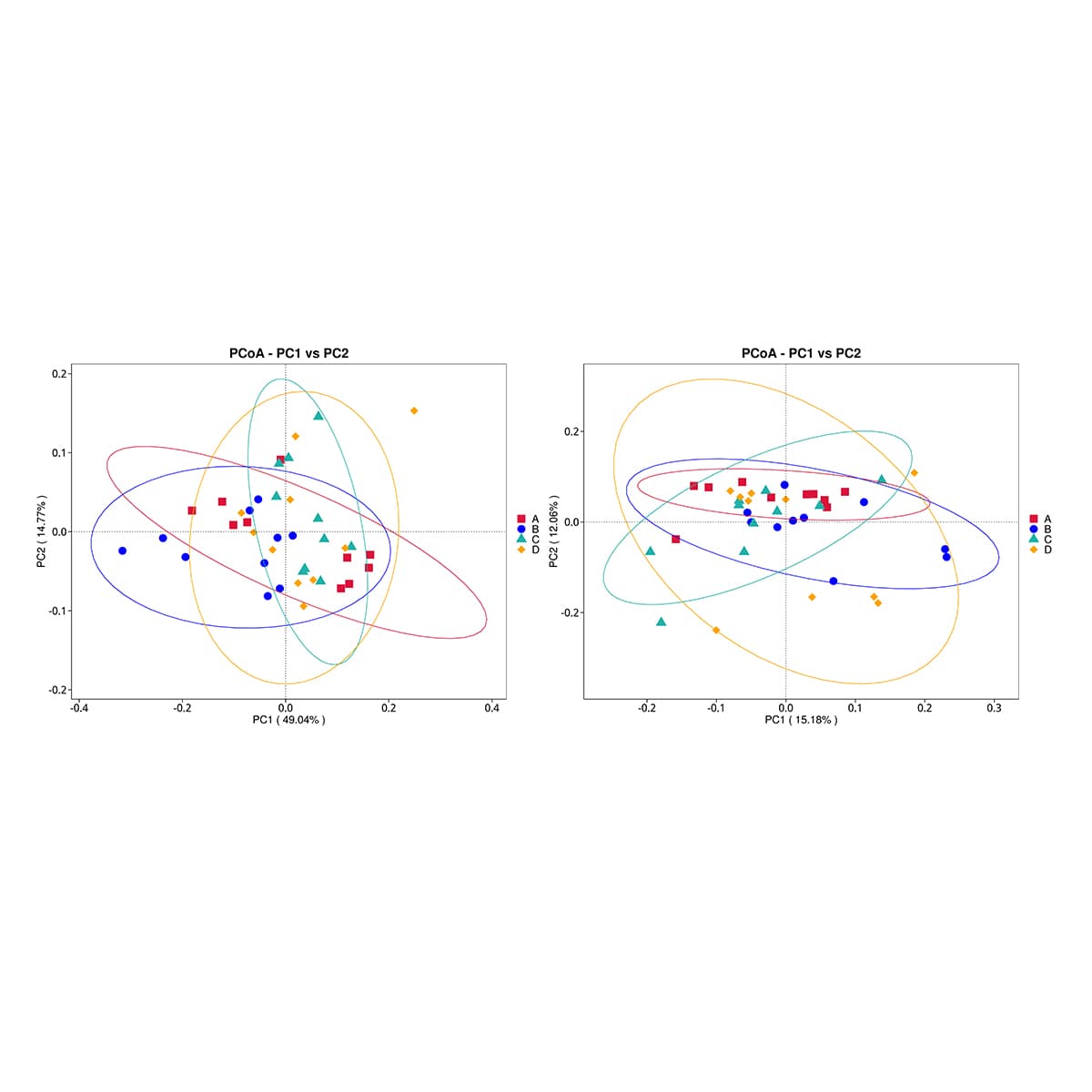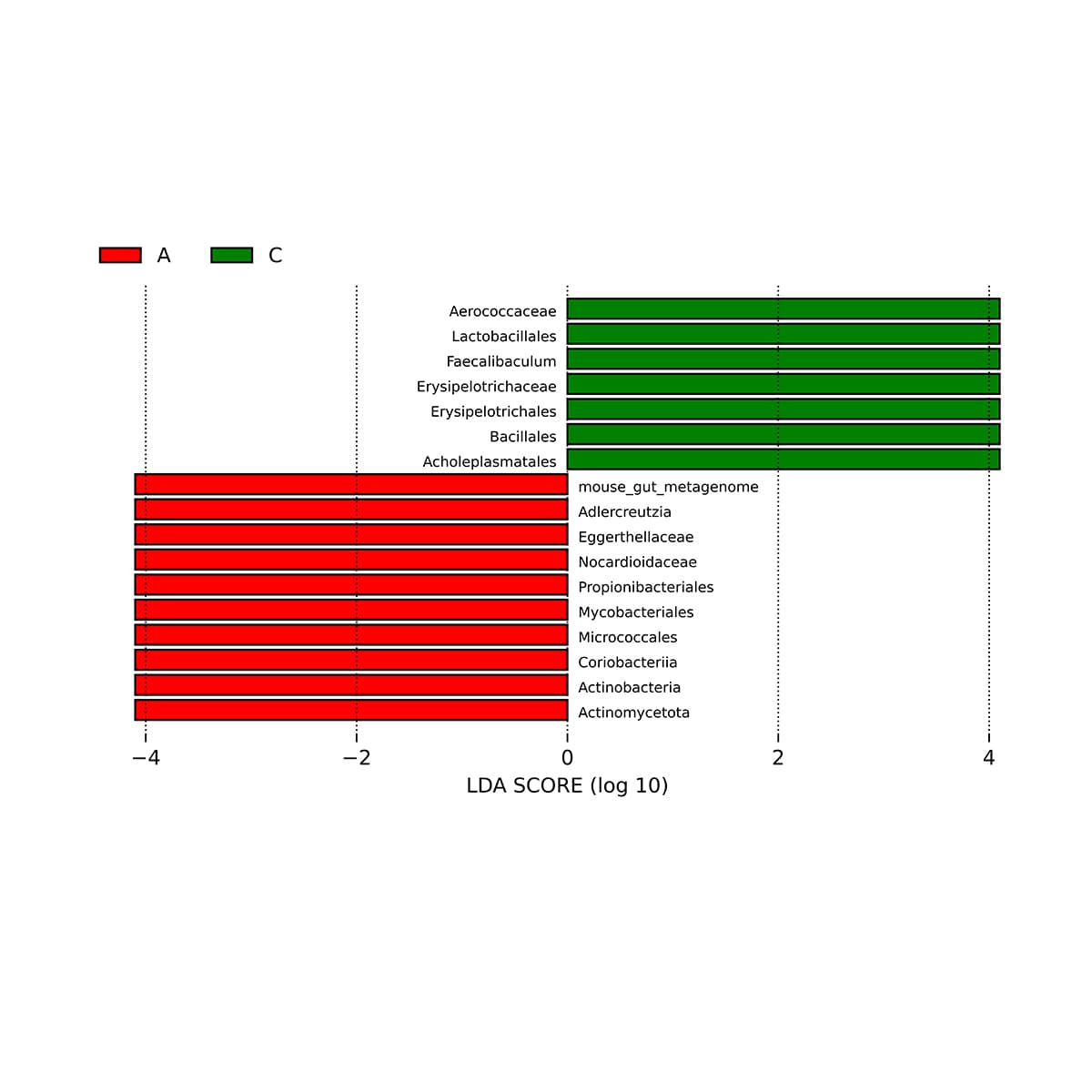

Amplicon Sequencing cover two major technical directions: short-read and long-read, providing a comprehensive solution for microbial community research.
16S/18S/ITS Amplicon Sequencing is an ultra-deep DNA sequencing method that focuses on sequencing specific target regions (amplicons). Short (<500 bp) hypervariable regions of conserved genes or intergenic regions are amplified by PCR and analyzed by next generation sequencing (NGS) technology, to identify and differentiate multiple microbial species from complicated samples. Amplicon metagenomic sequencing is designated to sequence the target genes of 16S ribosomal RNA (rRNA), or 18S rRNA and Internal Transcribed Spacer (ITS) rRNA by universal primers, to describe and compare the phylogeny and taxonomy of bacteria (and archaea) and fungi (such as yeasts, molds and etc.), respectively.
Full-Length 16S/18S/ITS Amplicon Sequencing is a metagenomic approach that delves deep into the taxonomic composition of complex microbial communities. This sophisticated method amplifies full-length conserved genes, including 16S ribosomal RNA (rRNA), 18S rRNA, and Internal Transcribed Spacer (ITS) rRNA, using PCR techniques. The resulting amplicons are then subjected to high-fidelity, long-read sequencing on the PacBio Revio platform.
How to Choose the Right Amplicon Sequencing Solution:
16S/18S/ITS Amplicon Sequencing (SRS): Illumina
1. A high-throughput and cost-effective solution for profiling microbial communities.
2. Ideal for taxonomic classification and comparative studies across large sample sets.
Full-Length 16S/18S/ITS Amplicon Metagenomic Sequencing (LRS): PacBio
1. Offers strain-level resolution and enhanced precision for microbial community analysis.
2. Best suited for resolving complex microbial ecosystems where higher accuracy is required.