
banner mobile bg

Plant and Animal Whole Genome Sequencing

Comprehensive whole-genome sequencing of plant and animal species to characterize genetic variation, genome structure, and biological diversity.

Plant and Animal Whole Genome Sequencing (Plant & Animal WGS) enables comprehensive sequencing of an organism’s entire genome at single nucleotide resolution. By resequencing plant or animal genomes, PAWGS supports the detection of key genomic variants—including single nucleotide variants (SNVs), insertions and deletions (InDels), copy number variants (CNVs), and structural variants (SVs)—providing a powerful foundation for studies in evolution, population genetics, agricultural improvement, and disease genomics.


Novogene’s Plant & Animal WGS services leverage extensive experience across a wide diversity of plant and animal species. Researchers can choose between short read and long read sequencing strategies based on project goals, genome complexity, and desired assembly accuracy. Our workflow delivers high quality sequencing data and comprehensive bioinformatics analysis, along with publication ready figures that support downstream interpretation.

Plant & Animal WGS is widely used in population structure analysis, genome wide association studies (GWAS), animal and crop breeding programs, agricultural trait discovery, and other fields requiring high resolution genomic insights


Benefits of Novogene’s Plant & Animal WGS Services

High Resolution Variant Detection

Screen for all major variant types-SNVs, InDels, CNVs, and SVs-with whole genome coverage, enabling comprehensive genomic insight.

Flexible Sequencing Options

Choose short read or long read sequencing strategies based on your goals, genome complexity, and desired assembly or variant calling precision.

Multi-Species Expertise

Leverage Novogene’s extensive experience with a wide range of plant and animal genomes, from simple model organisms to complex polyploid crop species.

End to End Bioinformatics

Receive high quality data, variant calling, annotations, and publication ready visualizations tailored to plant and animal research workflows.

Scalable Project Support

Support for single samples, breeding cohorts, large population panels, and multi species comparative projects.

Applications of Plant & Animal WGS

Population Genetics & Evolutionary Studies

Analyze genetic diversity, population structure, phylogenetic relationships, and evolutionary dynamics across individuals, breeds, or species.

Trait Discovery & Breeding Improvement

Identify genetic variants associated with desirable agricultural or husbandry traits, supporting marker assisted selection and breeding program optimization.

Genome Wide Association Studies (GWAS)

Map phenotypic traits to genomic loci by integrating whole genome variant data with large scale phenotype information.

Disease Genomics & Resistance Research

Characterize variants linked to disease susceptibility or resistance in plants and animals and support the development of more resilient breeds or cultivars.

Comparative Genomics Across Species or Varieties

Compare genomic differences across strains, breeds, or species to reveal structural variation, adaptation mechanisms, and domestication history.


Specifications

Sample Requirements

Sample amounts are listed for reference only. Download the Sample Submission Guidelines to learn more. For detailed information, please contact us with your customized requests.

Platform TypeSample TypeAmount (Qubit®)Purity
IlluminaNovaSeq X PlusGenomic DNA≥ 100 ngOD260/280=1.8-2.0;

no degradation,
no contamination
Genomic DNA(PCR free customized)≥ 3 μg
Genomic DNA(PCR free)≥ 1 μg
PacBio Revio DNA HiFi libraryHMW Genomic DNA≥ 3 μgA260/280=1.75-2.0;

A260/230=1.5-2.6;

*NC/QC=1.0-2.2;

Fragments should be ≥ 30 kb
PacBio PCR product libraryPCR product≥ 2 μgOD260/280=1.75~2.0;

OD260/230=1.4~2.6;

*NC/QC=0.95~3.00;
Single band
(PacBio library fragments
distributed above 1k)
Nanopore PromethION DNA libraryHMW Genomic DNA≥ 8 μgA260/280=1.75-2.0;

A260/230=1.4-2.6;

*NC/QC=0.95~3.00;

Fragments should be ≥ 30k
Nanopore Ultra-long DNA LibraryuHMW Genomic DNA (plant and animal tissues)≥ 20 μgOD260/280=1.7-2.0;

OD260/230=1.3-2.6;

*NC/QC=0.95-3.00;

Fragments should be ≥ 100k, no
fragments below 30k
uHMW Genomic DNA (blood and cells)≥ 30 μgOD260/280=1.7-2.0;

OD260/230=1.3-2.6; 

NC/QC=0.95-3.00; 

Fragments should be ≥
300K, no fragments below 30k
Nanopore PCR product libraryPCR product≥ 2 μgOD260/280=1.75~2.0;

OD260/230=1.4~2.6;

*NC/QC=0.95~3.00;
Single band
*NC/QC = NanoDrop concentration/Qubit concentration

Sequencing and Analysis

Recommended data outputs and analysis contents displayed are for reference only. For detailed information, please contact us with your customized requests.

Platform TypeIllumina NovaSeq SystemPacBio RevioNanopore PromethION
Read LengthPaired-end 150 bpAverage > 15 kbAverage > 20 kb
Sequencing Depth≥10× for SNP/InDel
≥20× for SV/CNV
SV detection: ≥15× coverage
Data qualityGuaranteed ≥ 85% bases with Q30 or higherCondition based
Standard Analysis• Data Quality Control: Assess sequencing error rate and remove adapter containing or low quality reads.
• Read Alignment: Align clean reads to the reference genome.
• Mapping & Coverage Statistics: Generate mapping rates, sequencing depth, and coverage summaries.
• SNP Detection: Perform SNP calling, annotation, and statistical analysis.
• Data Quality Control
• Alignment to the Reference Genome
• Structural Variant (SV) Detection
Advanced Analysis• Structural Variant (SV) Calling: Identify, annotate, and summarize structural variants.
• Copy Number Variant (CNV) Calling: Detect, annotate, and report copy number variations.
-

Project Workflow

Novogene’s Plant & Animal WGS workflow begins with sample quality control to verify DNA purity, integrity, and fragment size. High molecular weight DNA is then used for library preparation, generating either short read or long read libraries depending on project needs. Sequencing is performed using Illumina PE150 or long read platforms to achieve the required depth and coverage for accurate whole genome variant detection. The resulting data undergoes rigorous data quality control, followed by bioinformatics analysis that includes variant calling, annotation, and summary reporting. Final deliverables consist of publication ready FASTQ, BAM/CRAM, VCF files, variant tables, and graphical results to support downstream interpretation.

Project Workflow

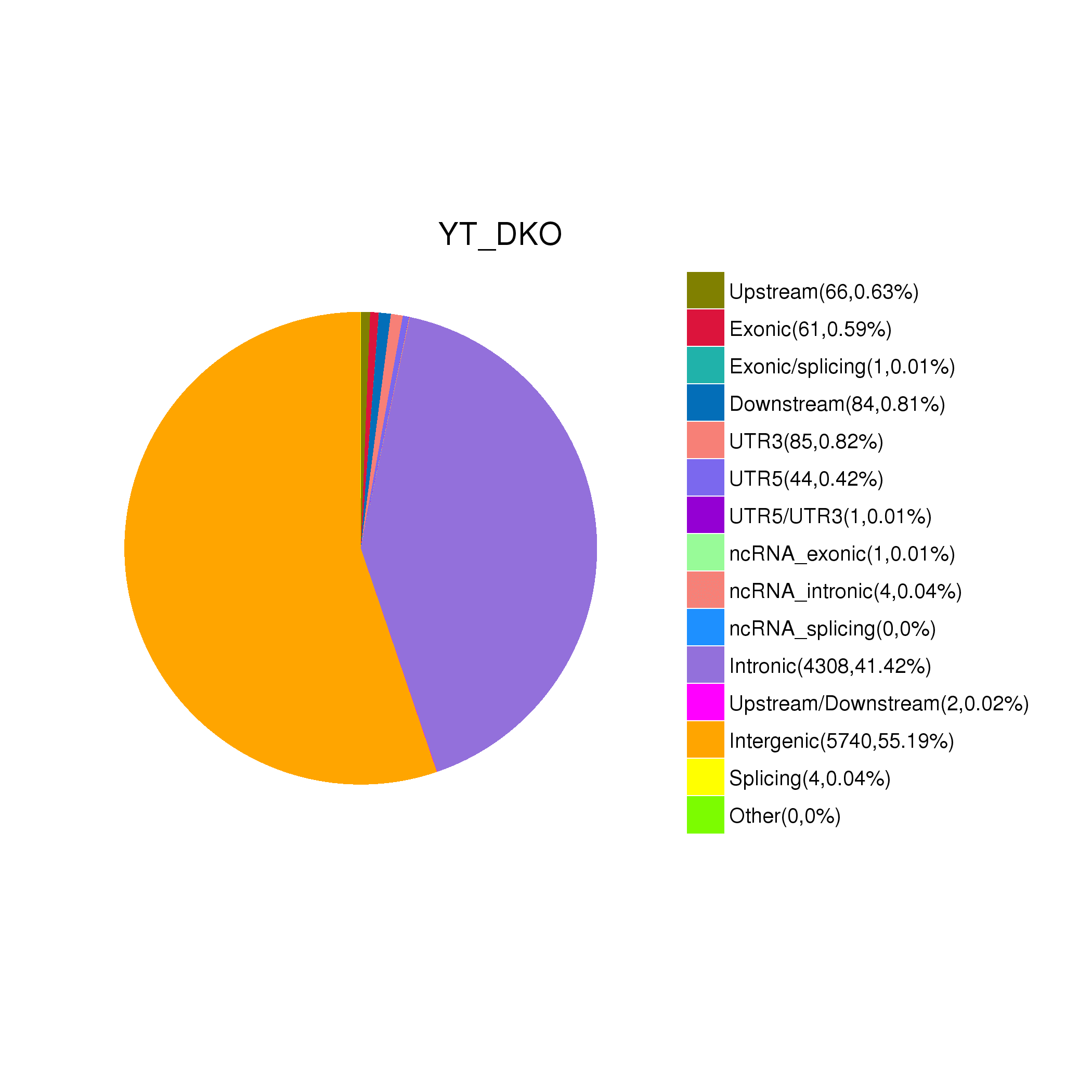
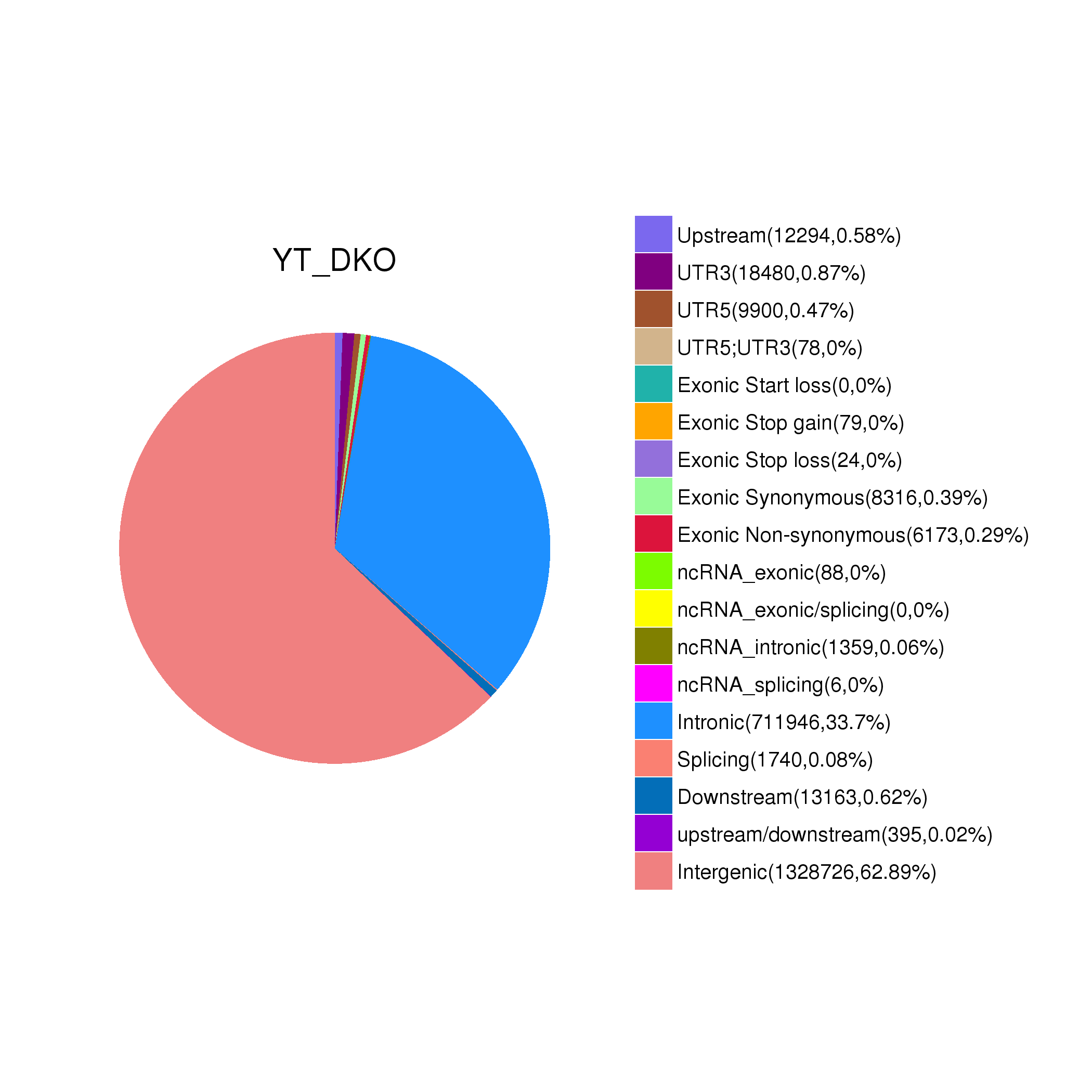
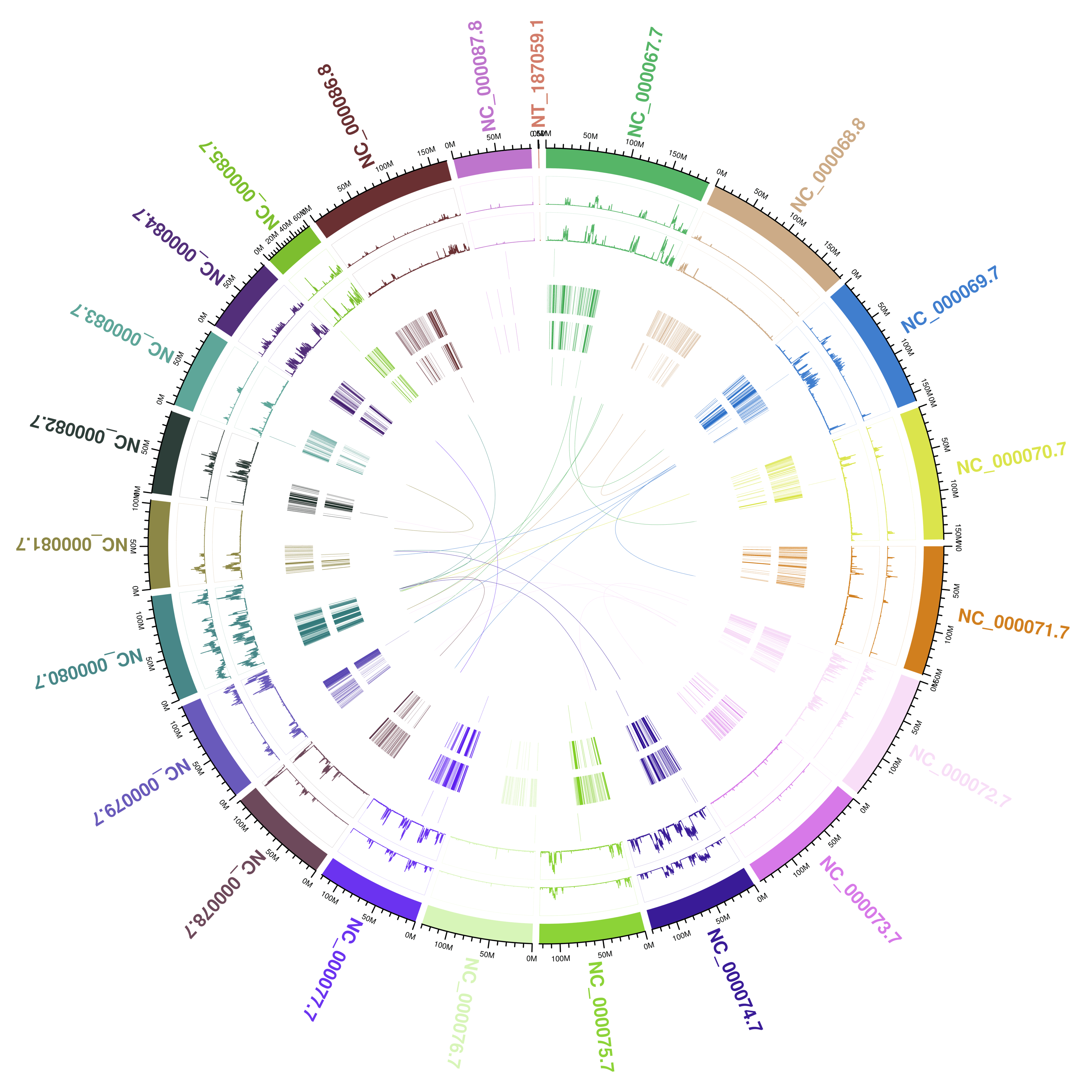
Demo Results

Animal and Plant Whole Genome Sequencing (Long-Reads)

Frequently Asked Questions

What does Plant & Animal WGS analyze?

It sequences the entire genome of a plant or animal at single nucleotide resolution, enabling the detection of SNVs, InDels, CNVs, and structural variants across the whole genome.

Background

Ready to Start Your Project?

Our platform offers tailored solutions for

your unique experimental needs, ensuring a seamless experience from project design to data delivery.