
banner mobile bg

Whole Exome Sequencing

High-coverage Whole Exome Sequencing with industry-leading data quality, fast turnaround, and comprehensive bioinformatics to accelerate your discoveries.

Whole Exome Sequencing (WES) is a targeted next generation sequencing (NGS) approach that focuses on the protein coding regions of the genome—approximately 1–2% of total genomic content, yet home to the vast majority of known disease associated variants. By capturing and sequencing about 180,000 exons, WES provides a cost effective alternative to whole genome sequencing while enabling high depth analysis of genome variants, germline mutations, somatic mutations, and potential pathogenic mechanisms.


WES is widely used across genetic disease research, complex disease studies, cancer genomics, and population genetics, making it a versatile tool for detecting clinically and biologically meaningful variants.


Novogene’s WES service combines extensive experience with multiple commercial exome capture panels, delivering high quality sequencing data, comprehensive bioinformatics analysis, detailed variant annotation, and publication ready figures to support downstream interpretation and scientific discovery.


Benefits of Novogene Whole Exome Sequencing

High Quality, High Depth Exome Coverage

Achieve reliable variant detection through robust sequencing depth and uniformity, enabling confident analysis of rare and low frequency variants.

Broad Compatibility with Multiple WES Capture Panels

Novogene supports a range of validated commercial exome capture kits, offering flexibility for different project designs and organism types.

Comprehensive Variant Analysis Pipeline

Receive end to end bioinformatics outputs including variant calling, annotation, filtering, population frequency metrics, predicted functional impact, and summary statistics.

Accurate Detection of Germline and Somatic Variants

Optimized pipelines enable precise identification of germline mutations, somatic variants, and potential disease causing alterations.

Publication Ready Results & Expert Support

Benefit from expertly curated reports, visualizations, and variant interpretation summaries—delivered in a format suitable for publication, presentation, or downstream validation.

Applications of Whole Exome Sequencing (WES)

Whole Exome Sequencing (WES) enables focused analysis of the protein coding portion of the genome, supporting a wide range of research and clinical discovery applications.

Genetic Disease Variant Detection

Identify germline variants associated with rare and inherited disorders by interrogating all protein coding exons where the majority of pathogenic variants occur.

Somatic Mutation Profiling in Cancer

Characterize somatic mutations, including SNVs, InDels, and actionable variants involved in tumor development, progression, and therapeutic response.

Functional Variant Interpretation & Pathogenic Mechanism Discovery

Explore the impact of variants on protein structure and function, enabling deeper investigation into molecular mechanisms underlying disease.

Population Genetics & Variant Spectrum Analysis

Support studies in population diversity, ancestry, and variant frequency by profiling exome wide genetic variation across cohorts.

Complex Disease Research

Identify coding variants associated with multifactorial diseases such as metabolic, neurological, cardiovascular, and autoimmune disorders.

Specifications

Sample Requirements

Sample amounts are listed for reference only. Download the Sample Submission Guidelines to learn more. For detailed information, please contact us with your customized requests.

Sample TypeAmount (Qubit®)VolumeConcentrationPurity / Quality Requirements
Genomic DNA≥300 ng≥15 µL≥15 ng/µLOD260/280: 1.8–2.0; no degradation; no contamination; fragment length > 3000 bp
FFPE DNA≥300 ng≥20 µL≥20 ng/µLFragment length > 1000 bp
cfDNA/ctDNA≥30 ng≥0.5 ng/µLFragment size ~170 bp or multiples; no genomic DNA contamination

Sequencing and Analysis

Recommended data outputs and analysis contents displayed are for reference only. For detailed information, please contact us with your customized requests.

Sequencing PlatformIllumina NovaSeq System
Read LengthPaired-end 150 bp
Sequencing DepthRare disease: ≥50× (≈6 Gb)
Tumor samples: ≥100× (≈12 Gb)
Data qualityGuaranteed ≥ 85% bases with Q30 or higher
Standard Analysis• Data Quality Control: Filter adapter containing, low quality, or ambiguous reads.
• Alignment & Coverage: Align reads to the reference genome and generate depth and coverage statistics.
• Germline Variant Calling: SNP/InDel detection, annotation, and summary statistics.
• Somatic Variant Detection (tumor–normal pairs only): SNP, InDel, and CNV calling with annotation and statistics.
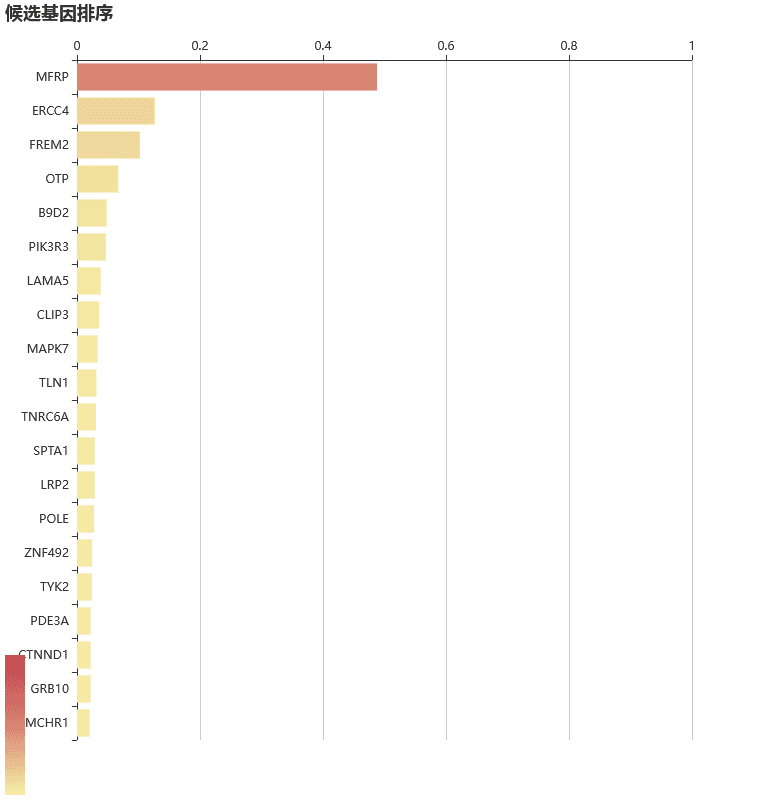
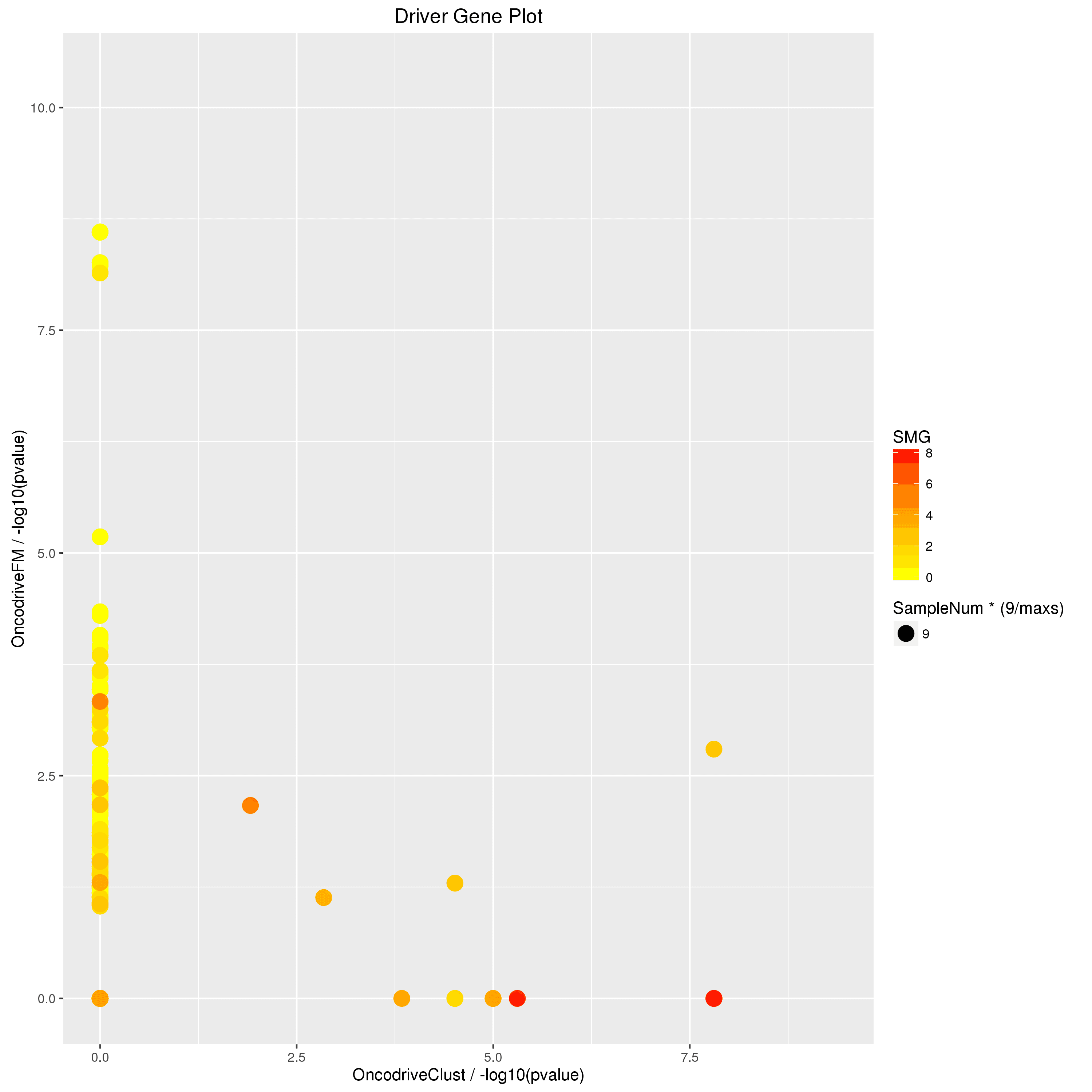
Advanced Analysis• Cancer: Predisposing gene screen, mutational signatures, driver genes, SMG analysis, driver CNVs, mutation site display
• Tumor heterogeneity: Purity/ploidy, heterogeneity, evolution, neoantigens
• Monogenic: Variant filtration, inheritance models, linkage, ROH
• Polygenic: Variant filtration, inheritance models, linkage, ROH, de novo variants

Project Workflow

Novogene’s Whole Exome Sequencing (WES) workflow begins with sample quality control to ensure DNA integrity and purity meet sequencing requirements. High‑quality samples then proceed to exome capture and library preparation, followed by library QC to confirm enrichment efficiency and fragment distribution.


Sequencing is performed using a paired‑end 150 bp (PE150) strategy on the Illumina platform to achieve the required depth for confident germline and somatic variant detection. After sequencing, raw reads undergo rigorous data quality control, alignment, and variant calling for SNPs, InDels, CNVs, and somatic variants (for tumor–normal pairs). Finally, Novogene’s bioinformatics pipeline delivers fully annotated variants and publication‑ready results.

Project Workflow

Resources

Demo Results

Webinars

Kickstart your Whole Exome Sequencing research with IDT and Novogene

Are you looking for advanced, cost-effective solutions that can provide novel perspectives on diagnosis, intervention, and treatment of diseases? More than 85% of the gene variants that cause disease are harbored within the exome, which accounts for only ~1% of the entire Human Genome. Whole Exome Sequencing (WES) is the most practical way to detect and link disease-causing genetic variants to clinical pathology because it focuses only on the protein-coding exons. This targeted sequencing approach lowers the cost and time of sequencing. This webinar will provide a birds-eye view of the WES workflow at Novogene using IDT’s Advanced Exome Sequencing Kit (xGen Exome Hyb Panel V2). We will discuss sample requirements, the accuracy and capture efficiency of IDT’s exome capture kit, the sequencing approach, and our standard and advanced bioinformatic analysis packages. At the end of this webinar, you will have a deeper understanding of how IDT and Novogene’s WES products can facilitate and inspire your research goals in fields such as population genetics, genetic disease, and oncology.

(Kickstart your Whole Exome Sequencing research with IDT and Novogene)

Frequently Asked Questions

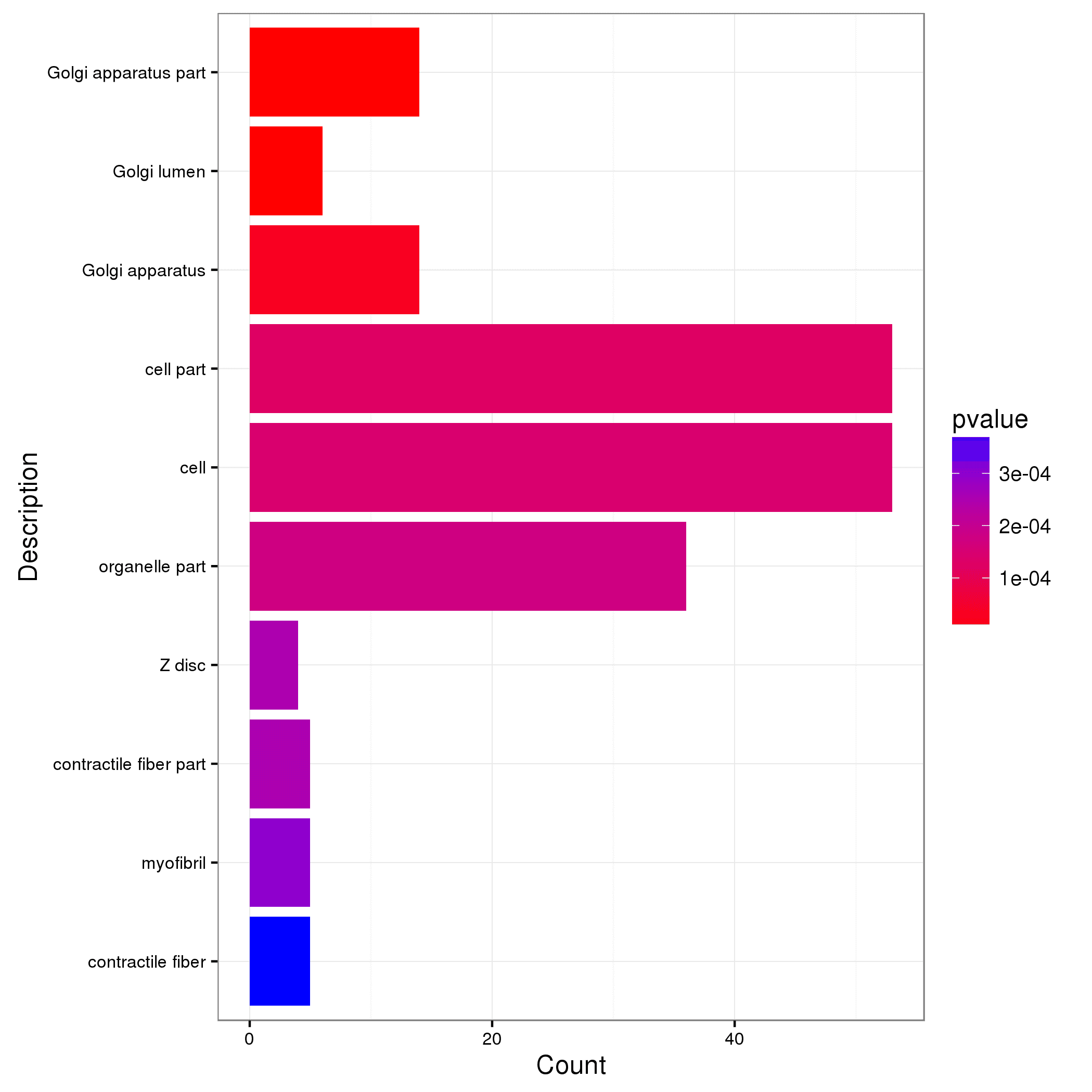
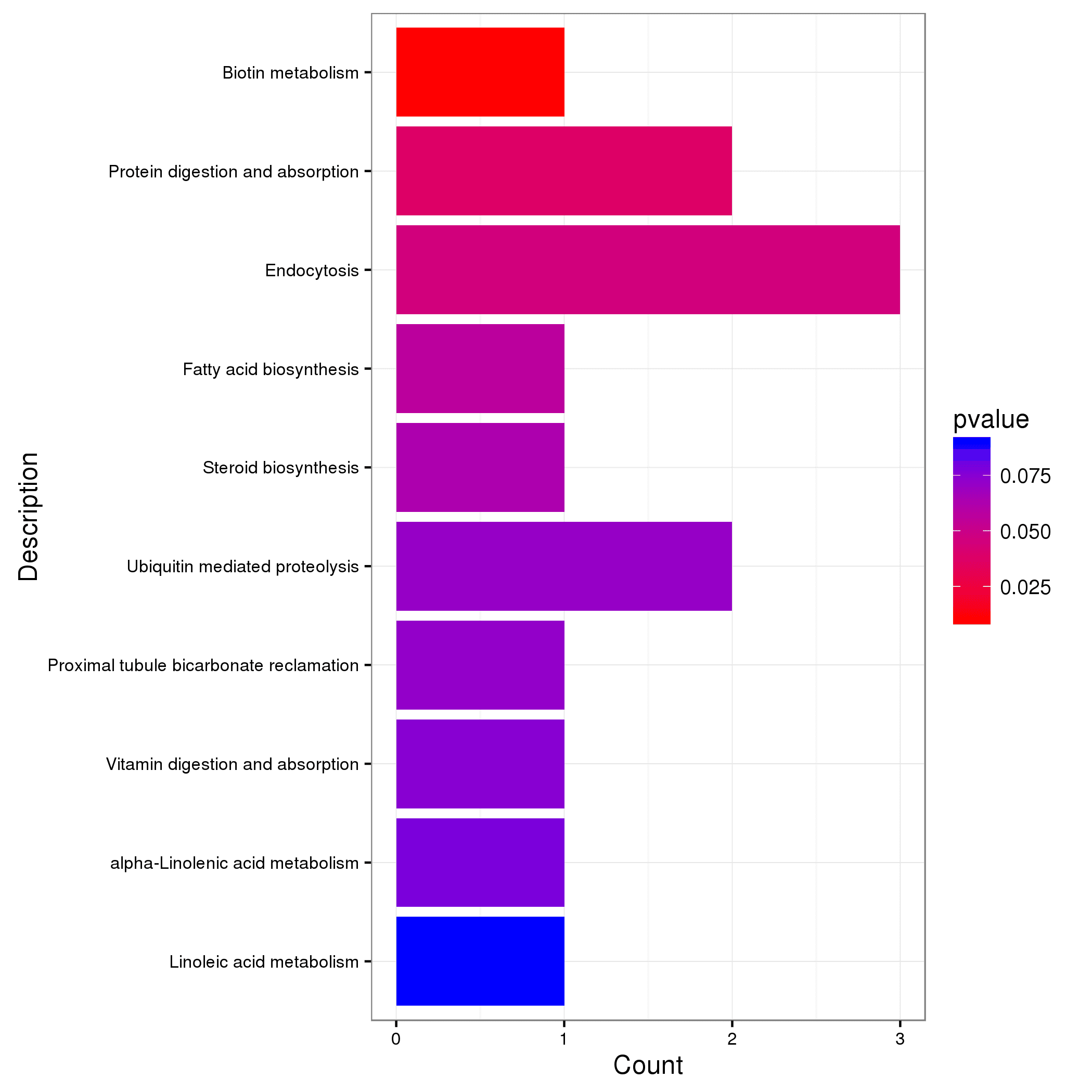
What is the purpose of GO and KEGG enrichment analysis?

GO and KEGG enrichment help identify the biological processes, metabolic pathways, and signaling pathways most affected by the mutations detected in a sample. This allows researchers to understand how groups of genes work together and how these functional disruptions may contribute to disease mechanisms, especially in complex disorders involving multiple genes.

Background

Ready to Start Your Project?

Our platform offers tailored solutions for

your unique experimental needs, ensuring a seamless experience from project design to data delivery.