
banner mobile bg

Quantitative Proteomics

Quantitative profiling of protein abundance to reveal differential expression and support studies of biological processes and disease mechanisms.

Proteomics reveals functional biology by directly quantifying proteins, enabling deeper insights into disease mechanisms

and biomarker discovery beyond genomic predictions.


Leveraging library-free DIA on the Thermo Orbitrap Astral platform, Novogene delivers next-generation quantitative proteomics with superior data completeness, depth, and reproducibility—without missing values or DDA libraries.


Choose Rapid DIA for high-throughput studies or Deep DIA for comprehensive proteome coverage, both designed to accelerate confident biological discovery.


Why Choose Novogene for Your Proteomics Needs?

End-to-End Workflow
End-to-End Workflow

From sample preparation to LC-MS/MS analysis and expert data interpretation, we deliver a fully integrated proteomics solution.

Scalable High-Throughput Performance

Our automated platform supports large cohort studies, processing up to 180 samples per day while identifying over 8,000 proteins.

Flexible Study Design

Detection depth and acquisition time can be tailored to match your specific research objectives.

Seamless Multi-Omics Integration

Easily connect proteomics with genomics, transcriptomics, and metabolomics for deeper, systems-level insights.

Proven Experience at Scale

With 200,000+ samples processed across 250+ species and 300+ sample types, our expertise translates into reliable results.

Advanced Platform
Advanced Platform

Powered by the Thermo Orbitrap Astral platform, our quantitative proteomics delivers high resolution, ultra sensitivity, and exceptional throughput.

Applications

DIA proteomics using the Orbitrap Astral mass spectrometer is particularly suitable for a variety of high-throughput, high-sensitivity proteomic applications, including:

Precision Medicine

Identifies specific biomarkers and signatures for patient classification and personalized surveillance, especially for oncology, diabetes, and Alzheimer's disease.

Disease Mechanism Elucidation

Compares protein abundances between diseased and healthy states to uncover the molecular drivers of pathogenesis.

Therapeutic target discovery

Provides comprehensive, quantitative information about protein networks, drug-target interactions, and target deconvolution.

Host-Pathogen Interactions

Studies how viruses and pathogens hijack cellular machinery and counteract host immune responses by altering phosphorylation states.

Specifications

Sample Requirements

Sample amounts are listed for reference only. Download the Sample Submission Guidelines to learn more. For detailed information, please contact us with your customized requests.

Sample Type*Sample Amount
Human Plasma/SerumNeat
(no high abundant protein depletion procedure)
5 μL
High-abundance protein depletion for human blood (affinity-based)10 μL
Animal TissueSoft tissue (brain, heart, liver, spleen, lung, kidney, muscle, etc.)10 mg
Tough tissue (hair, cartilage, etc.)200 mg
Suspension/adherent cultured cells (it is crucial to meet the required cell pellet volume) 2×10^6 (10 μL cell pellet)
Body Fluids (most body fluids contain large amount of proteins, so undiluted sample is preferred)Cerebrospinal fluid/Semen/ Follicular Fluid/Saliva/Tear500 μL
Urine10 mL
Breast milk10 μL
Extracted protein sample (solvent buffer reagent components must be provided)Non-detergent containing protein sample (optimal buffer with 6M Urea, preferred protein concentration ≥ 0.5 μg/μL)100 μg
Detergent containing protein sample (including SDS, triton X-100, NP40, CHAPS, etc.)200 μg
*Please contact us for more information.

Detection Details

The Orbitrap Astral mass spectrometer integrates three complementary mass analyzers into a single platform, combining precision, resolution, and speed to deliver outstanding performance and usability.

1. Quadrupole mass analyzer: Enables precise precursor ion selection.

2. Orbitrap mass analyzer: Delivers high-resolution, high dynamic range HRAM (High-Resolution Accurate Mass) spectra.

3. Astral mass analyzer: Provides high-sensitivity detection and rapid acquisition of high dynamic range HRAM spectra at speeds of up to 200 Hz.

Analyzer TypeAstral Mass Analyzer
SensitivitySingle ion detection
HRAM scan rateUp to 200 Hz
Interscan dynamic range>1000 with single microscan
Resolution80,000 at m/z 524
Mass accuracyRMS <5 ppm
Mass rangem/z 40-6,000
Scan modeDIA

Project Workflow

From sample preparation to final data interpretation, every step of the proteomics workflow influences data quality and depth. At Novogene, we apply rigorous quality control throughout the entire process to ensure accurate, reliable, and high-quality proteomics results. The experimental workflow is as follows:

1. Sample Preparation

Protein extraction and cleanup from tissues, cells, body fluids, and so on.

2. Protein Digestion

In-solution or on-beads trypsion digestion into peptides.

3. LC-MSMS detection

Protein identification and sample QC.

4. Database Search & Bioinformatics

Spectra searched in DIA-NN for peptide mapping.

5. Report & Biological insights

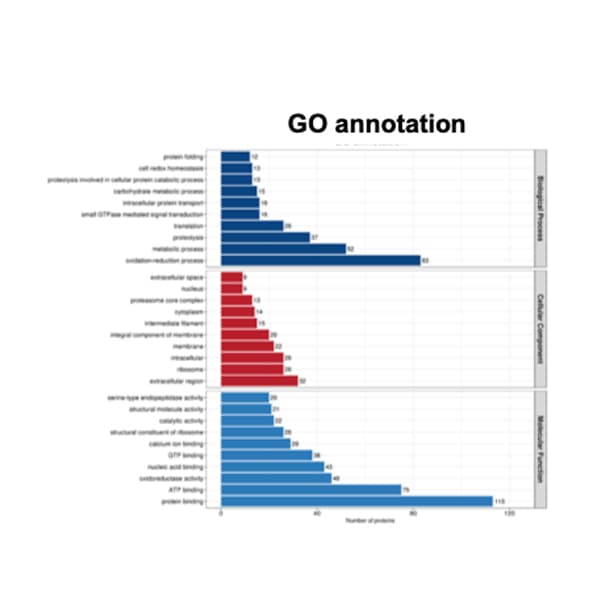
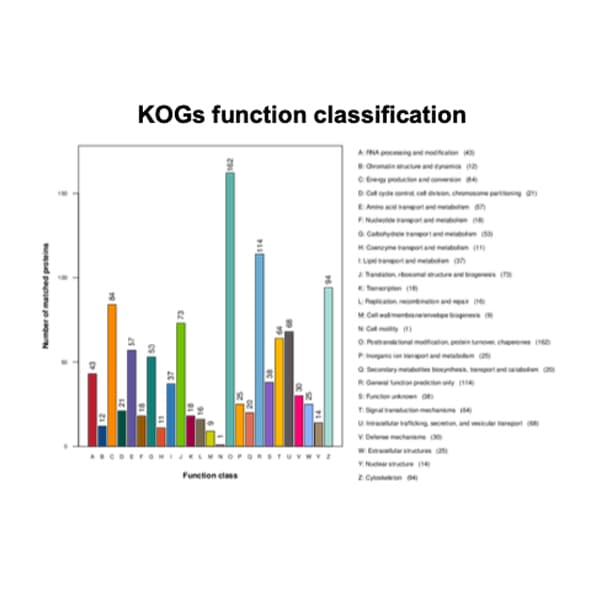
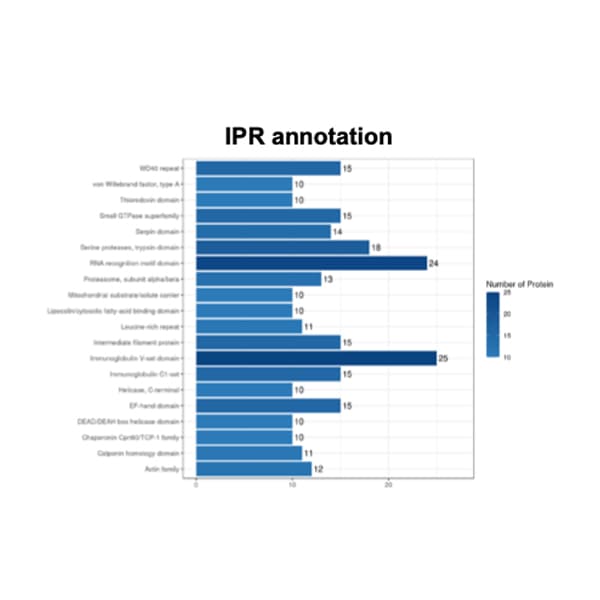
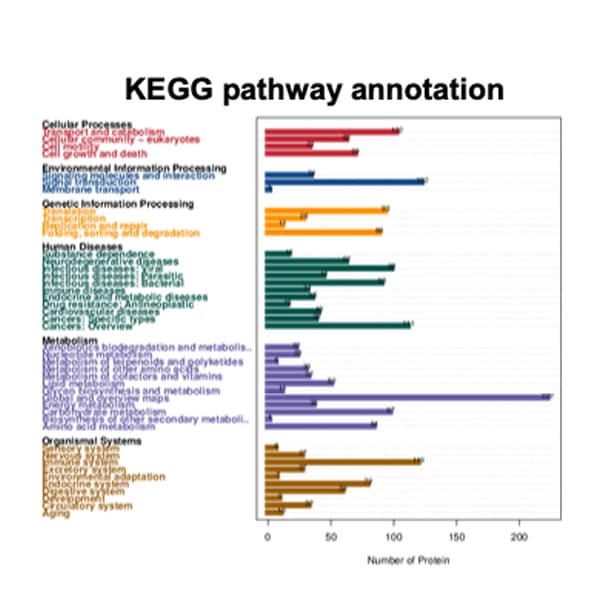
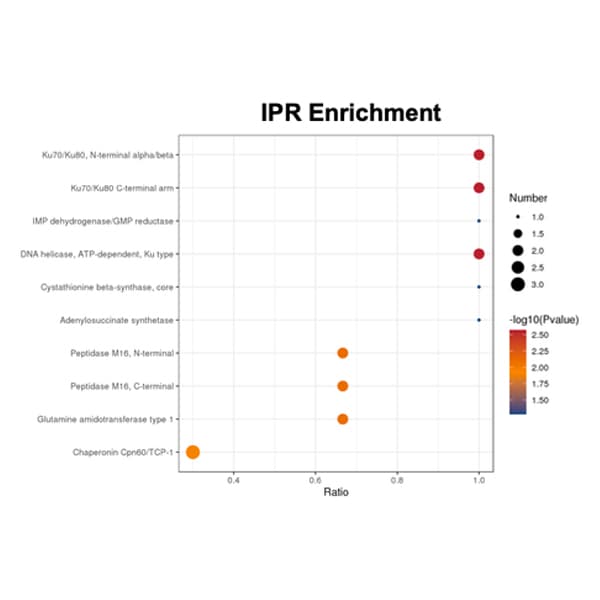
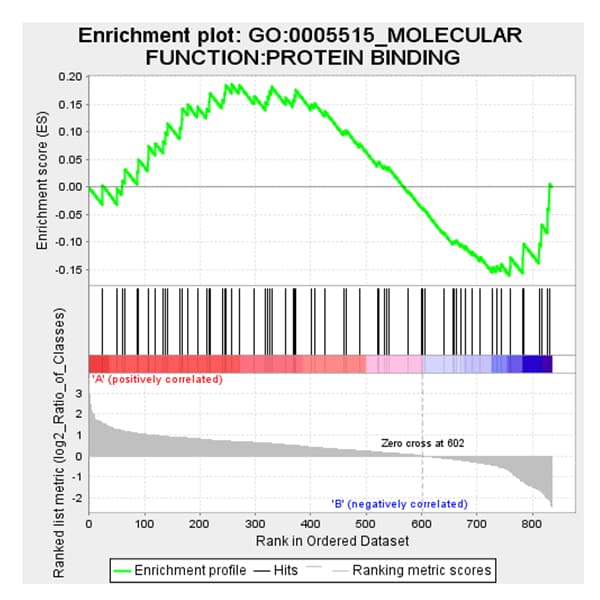
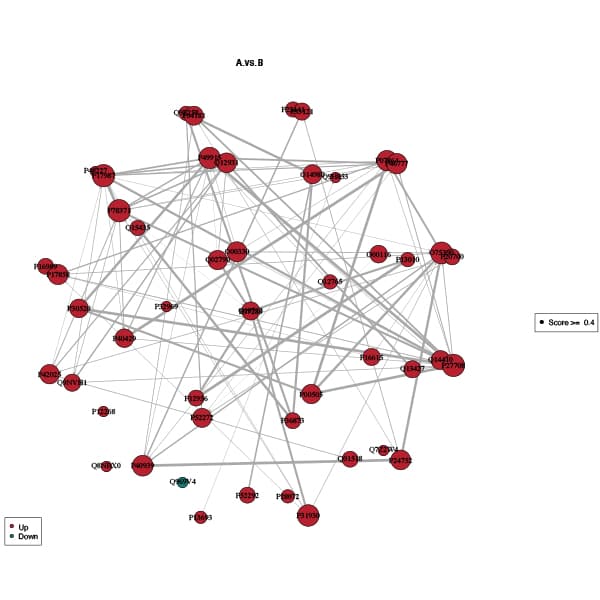
Comprehensive reports spanning qualitative and quantitative analysis to in-depth functional enrichment.

Project Workflow

Resources

Frequently Asked Questions

How many repeated samples are required?

We strongly recommend a minimum of 3 biological replicates per group, as this is critical for ensuring the validity of subsequent bioinformatics analyses.

Background

Ready to Start Your Project?

Our platform offers tailored solutions for

your unique experimental needs, ensuring a seamless experience from project design to data delivery.