
banner mobile bg

Untargeted Metabolomics

Comprehensive profiling of small-molecule metabolites to reveal metabolic alterations and biological pathways associated with physiological and disease states.

Untargeted metabolomics enables comprehensive and unbiased detection of dynamic changes in small-molecule metabolites within biological systems. Leveraging advanced Liquid Chromatography-Mass Spectrometry (LC-MS) and bioinformatics, Novogene provides high-quality metabolomic data to uncover how environmental, genetic, or therapeutic factors shape metabolism.


Powered by high-resolution mass spectrometry and an extensive library, Novogene’s Untargeted Metabolomics services offer exceptional metabolite coverage and seamless integration with other omics platforms to deliver deeper, more confident biological insights.

bg

Why Choose Novogene for Your Metabolomics Needs?

Ultra-high Resolution and Sensitivity

HF-X platform delivers precise, reliable metabolite detection with exceptional data quality.

High Quality Database

15,000+ standards and 170,000+ spectra enable comprehensive metabolite identification.

Accurate Identification

Up to 1,700 level1 metabolites and 7,000 detected compounds with high accuracy.

Broad Metabolome Coverage

C18-based high-resolution detection captures both polar and non-polar metabolites.

Comprehensive Metabolite Information

27+ data points per metabolite enhance annotation depth and reliability.

Applications of Untargeted Metabolomics in Medical and Agricultural Research

Explore the power of metabolomics with Novogene’s services, built to advance a broad spectrum of research aims.

precision medicine and health applications

Biomarker discovery for early detection and better prognosis. Metabolic phenotyping to predict drug response, enable personalized treatment and assess lifestyle impact.

Drug Development

Mechanism-of-action insights via metabolic pathway analysis.

Toxicity assessment through metabolite profiling (e.g., hepatotoxicity).

Disease Mechanisms

Metabolic pathway dysregulation analysis in cancer, metabolic syndrome, and neurodegenerative diseases.

Host–pathogen metabolic interaction profiling for infectious disease research (e.g., viral and bacterial infections).

Development and Aging

Age-related metabolic shifts and aging biomarkers.

Metabolic reprogramming in embryogenesis and cell differentiation.

Agriculture and Food Science

Plant stress resistance: Adaptation to heat, salinity, and drought. Color phenotype: Molecular mechanisms behind pigment and flavor development.

Environmental Adaptation

Metabolic responses to extreme conditions: Hypoxia, temperature stress, radiation. Impact of environmental toxins (microplastics, heavy metals) on metabolic networks.

Specifications

Sample Requirements

Sample amounts are listed for reference only. Download the Sample Submission Guidelines to learn more. For detailed information, please contact us with your customized requests.

Sample TypeSampleRecommended Sample AmountBiological Replicate
LiquidPlasma, Serum, Hemolymph, Whole Blood, Milk, Egg White100 μLHuman≥30, Animal≥8, Plant≥3
Cerebrospinal Fluid, Interstitial Fluid, Uterine Fluid, Pancreatic Juice, Bile, Pleural Effusion, Follicular Fluid, Postmortem Fluid, Tissue Fluid, Culture Medium (liquid), Culture Supernatant, Tears, Aqueous Humor, Digestive Juices,Bone Marrow (liquid)100 μL
Seminal Plasma, Amniotic Fluid, Prostatic Fluid, Rumen Fluid, Respiratory Condensate, Gastric Lavage Fluid, Broncho-alveolar Lavage Fluid (BALF), Urine, Sweat, Saliva, Sputum500 μL
TissueAnimal Tissues, Placenta, Blood Clot, Mycelium, Nematode, Zebrafish (whole fish), Bone Marrow (solid), Nail100 mg
Whole Insect Body, Wings (of insects), Pupa, Eggs, Large Fungi (mushroom types), Large Algae (red algae), Large Amount of Mycelium/Mycelial Balls, Cartilage, Bone (solid)500 mg
Zebrafish Organs, Insect Organs, Whole Microinsect Body (e.g., Drosophila)20 units
SolidFeces, Intestinal Contents, Lyophilized Fecal Powder200 mg
Milk Powder, Microbial Fermentation Product (solid), Culture Medium (solid), Earwax, Lyophilized Tissue Powder,Feed, Egg Yolk, Lyophilized Plant Powder, Lyophilized Egg Powder100 mg
Honey, Nasal Mucus, Sputum100 mg
Sludge, Soil600 mg
CellAdherent Cells, Animal Cell Lines1*10^7 cells
E. Coli, Yeast Cells1×10^10 cells
Small Amount of Fungal Mycelial Balls/Mycelium, Unicellular Algae (Cyanobacteria), Large Quantities of BacterialHyphae (sediment), Mucilaginous Protoplasmic Clusters (hyphae)100 mg
OrganelleLysosomes, Mitochondria, Endoplasmic Reticulum4×10^7 cells
Exosomes, Extracellular Vesicles2×10^9Particles
Special SampleSkin Tape or Patch2 pieces
Test Strips2 pieces
Swab1 piece
Notes:
1. Not applicable for GC-MS.
2. The amounts shown in the table are for a single round of metabolite extraction. If the sample volume is sufficient, it is recommended to provide enough for two rounds of extraction. This way, if the first extraction does not yield ideal results, it can help avoid the delay caused by having to re-submit samples.
3. Appropriate for Untargeted Metabolomics, Untargeted Plus Metabolomics, TM Widely-Targeted Metabolomics, Quantitative Lipidomics, Energy Metabolism, Amino Acids, Tryptophan, and Short-Chain Fatty Acids studies.

Sequencing and Analysis

Recommended data outputs and analysis contents displayed are for reference only. For detailed information, please contact us with your customized requests.

Sample TypeSampleRecommended Sample AmountBiological Replicate
TissueRoot, Stem, Leaf, Fruit, Flower, Bud, Node, Callus600 mgHuman≥30, Animal≥8, Plant≥3
Fruit Peel, Seed Coat600 mg
Anther, Filament, Pollen, Style, Stigma, Embryo1.2 g
LiquidRoot Exudate10 ml
Juice, Wine, Fermentation Broth5 ml
Oils, Essential Oils, Honey, Nectar, Paste500 μl
Herb Extract, Herb Decoction, Plant Tissue Fluid500 μl
CellCultured Plant Cell1×10^7 cells
Algae300 mg
SolidLyophilized Plant Powder200 mg
Sludge, Soil600 mg
Notes:
1. Not applicable for GC-MS.
2. For extracted metabolites, please advise on the recommended quantity for the extraction process.
3. Suitable for Untargeted Metabolomics, Widely-Targeted Metabolomics, Quantitative Lipidomics, Flavonoids, Carotenoid, Anthocyanin, Energy Metabolism, Amino Acids, Short-Chain Fatty Acids Metabolomics for Plants.
4. Recommended sampling approach:
– Collect samples from 3 or more individuals for each biological replicate.
– Ensure a minimum of 3 biological replicates per sample group.
– Example: Combine leaves from 3 individual plants as one replicate; repeat for 2 more replicates (involving 6 additional individual plants) to achieve
3 biological replicates for one experimental group (e.g., Control).
– Repeat the process with 9 individual plants for the second experimental group (e.g., Treatment).

Project Workflow of Novogene Untargeted Metabolomics Services

Metabolomics research involves several key steps: sample collection and pre-processing, metabolite extraction, LC-MS data acquisition, metabolite annotation and identification through database searching, followed by bioinformatic analysis. Together, these steps provide a comprehensive understanding of the metabolic state of a system.

At Novogene, we prioritize precision and quality at every stage of the process, ensuring consistent, reliable, and high-quality data to support your research needs.

Project Workflow of Novogene Untargeted Metabolomics Services

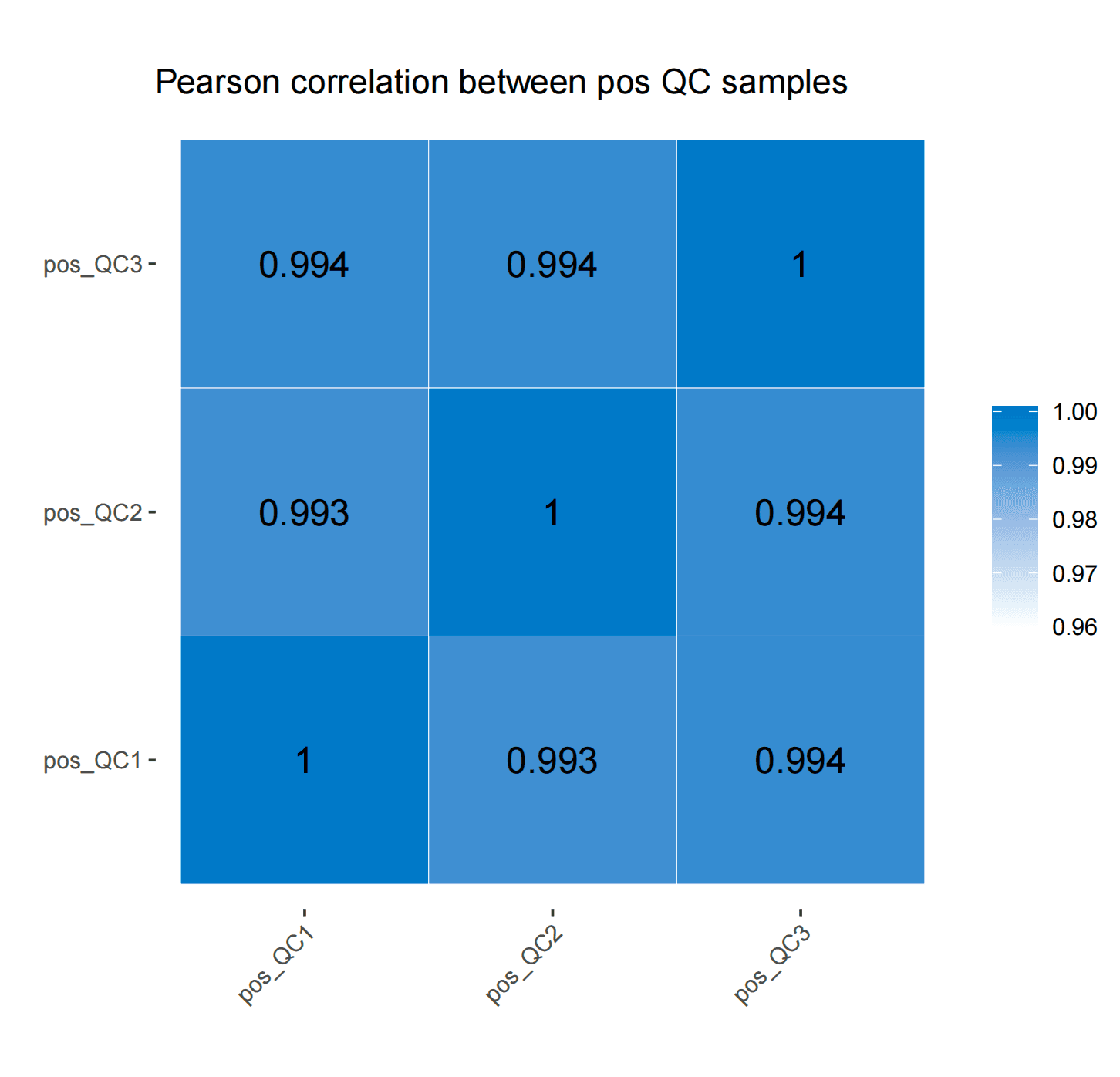
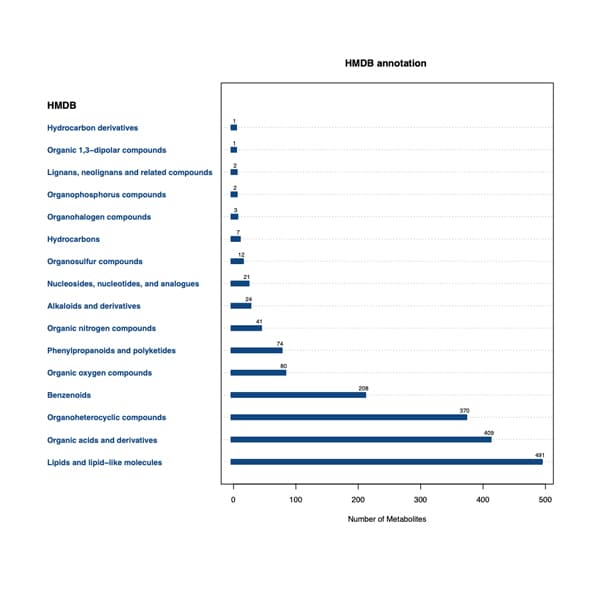
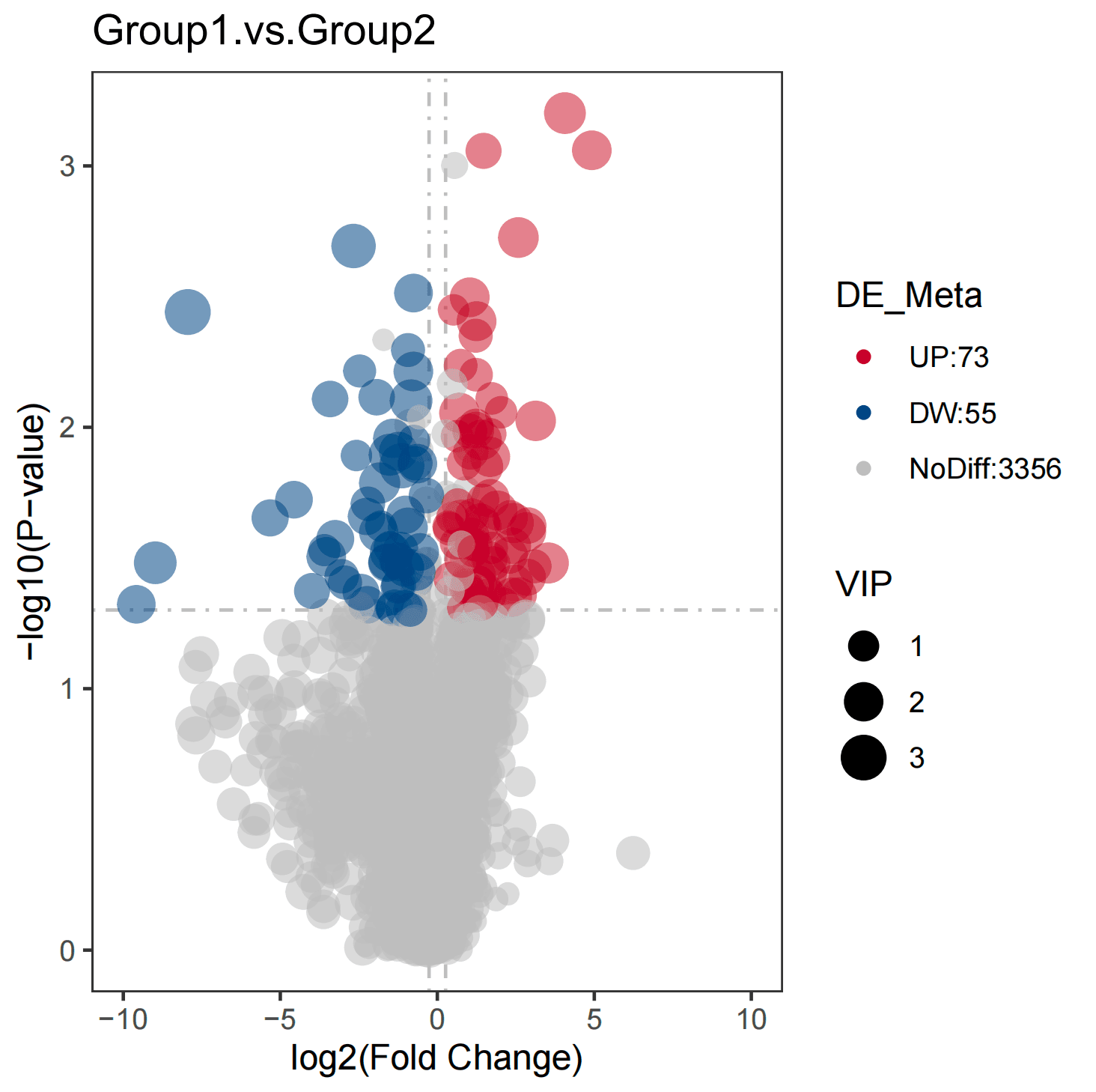
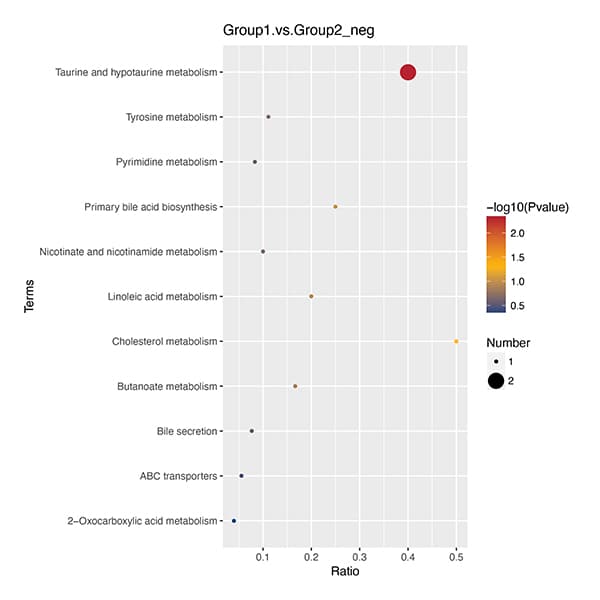
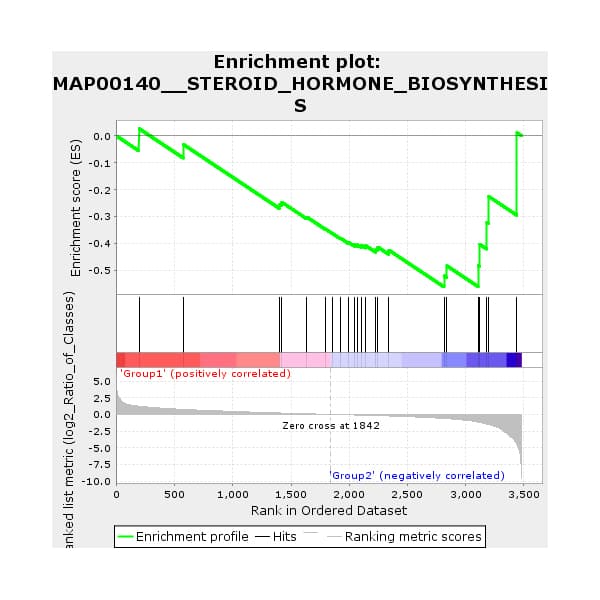
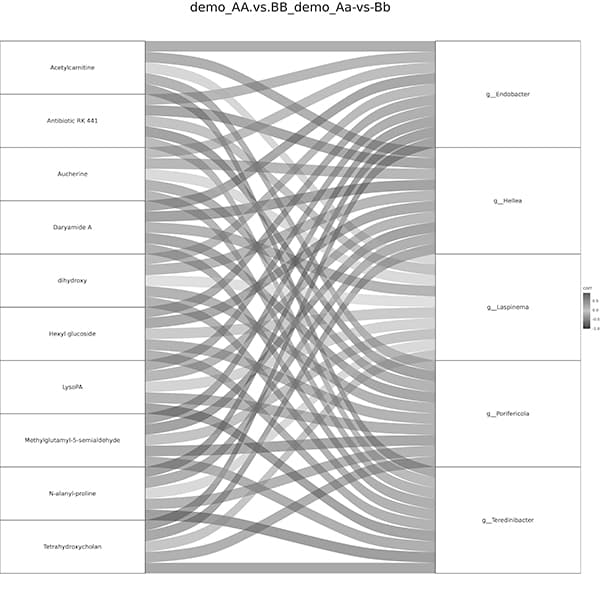
Demo Results

Frequently Asked Questions

Why does untargeted metabolomics use both positive and negative ion modes?

A: Different metabolites have different ionization properties—some tend to carry positive charges, while others tend to carry negative charges. To detect a broader range of metabolites, analyses are typically performed separately in positive (pos) and negative (neg) ion modes. Some amphoteric compounds may be detected in both modes. By default, results are analyzed separately for each mode; however, if a combined bioinformatics analysis of positive and negative ion results is required, it must be specified in advance.

Background

Ready to Start Your Project?

Our platform offers tailored solutions for

your unique experimental needs, ensuring a seamless experience from project design to data delivery.