
banner mobile bg

RNA Immunoprecipitation Sequencing (RIP-seq)

Transcriptome-wide profiling of RNA-protein interactions to reveal post-transcriptional regulation and RNA regulatory mechanisms.

RNA immunoprecipitation sequencing (RIP-seq or RIP sequencing) is a high-throughput RNA sequencing technology dedicated to the systematic analysis of protein-RNA interactions. It enables genome-wide characterization of the binding events between target proteins and RNA molecules, thereby elucidating the regulatory mechanisms of RNA-binding proteins (RBPs) in critical biological processes such as gene expression, RNA splicing, RNA stability, subcellular localization, and translational regulation.


Notably, this technique supports the simultaneous detection of diverse RNA species in a single experimental run, including mRNAs and non-coding RNAs (ncRNAs). When integrated with complementary technologies such as ChIP-seq and ATAC-seq, RIP-seq facilitates multi-omics analyses that yield comprehensive and in-depth insights into the molecular underpinnings of biological activities.


Benefits

Rapid and High Capacity

Superior turnaround efficiency.

Low input
Low input

Ultra-low input of fragmented RNA – 20ng


Comprehensive Analysis

RIP-seq is multifaceted in interpreting the interaction network between RNA-RBP with respect to ncRNAs, such as lncRNA and miRNA.

Applications of RNA Immunoprecipitation Sequencing (RIP-seq):

RIP-seq is widely used in the field of RNA biology and gene regulation. Its key applications include:

Identifying RNA Targets of RNA-Binding Proteins

RIP-seq profiles RNAs bound to specific RBPs to pinpoint their regulatory targets, covering both mRNAs and non-coding RNAs (ncRNAs).

Understanding RNA-Protein Interactions in Development and Diseases

RIP-seq can be used to investigate how RBPs regulate RNA processing during embryonic development, cell differentiation and diseases such as cancers.

Characterizing functions of ncRNAs

RIP-seq can be used to study non-coding RNAs (ncRNAs) bound to specific RBPs, providing insights into their regulatory functions.

Specifications

Sample Guidelines

Sample amounts are listed for reference only. Download the Sample Guidelines to learn more. For detailed information, please contact us with your customized requests.

Sample TypeRequired AmountPeaks DistributionPurity
Enriched RNA Sample≥ 20ng
(≥ 100ng for rRNA depletion)
For unfragmented sample,
fragment should be ≥ 1000 bp.
For fragmented sample,
fragment should be ≥ 80 bp.
A260/280>2.0

Sequencing and Analysis

Recommended data outputs and analysis contents displayed are for reference only. For detailed information, please contact us with your customized requests.

PlatformIllumina Xplus
Read LengthPair-end 150 bp
Recommended Data Amount≥ 20 million read pairs per sample for the species with a reference genome
Content of Data AnalysisData quality control
Alignment to the reference genome
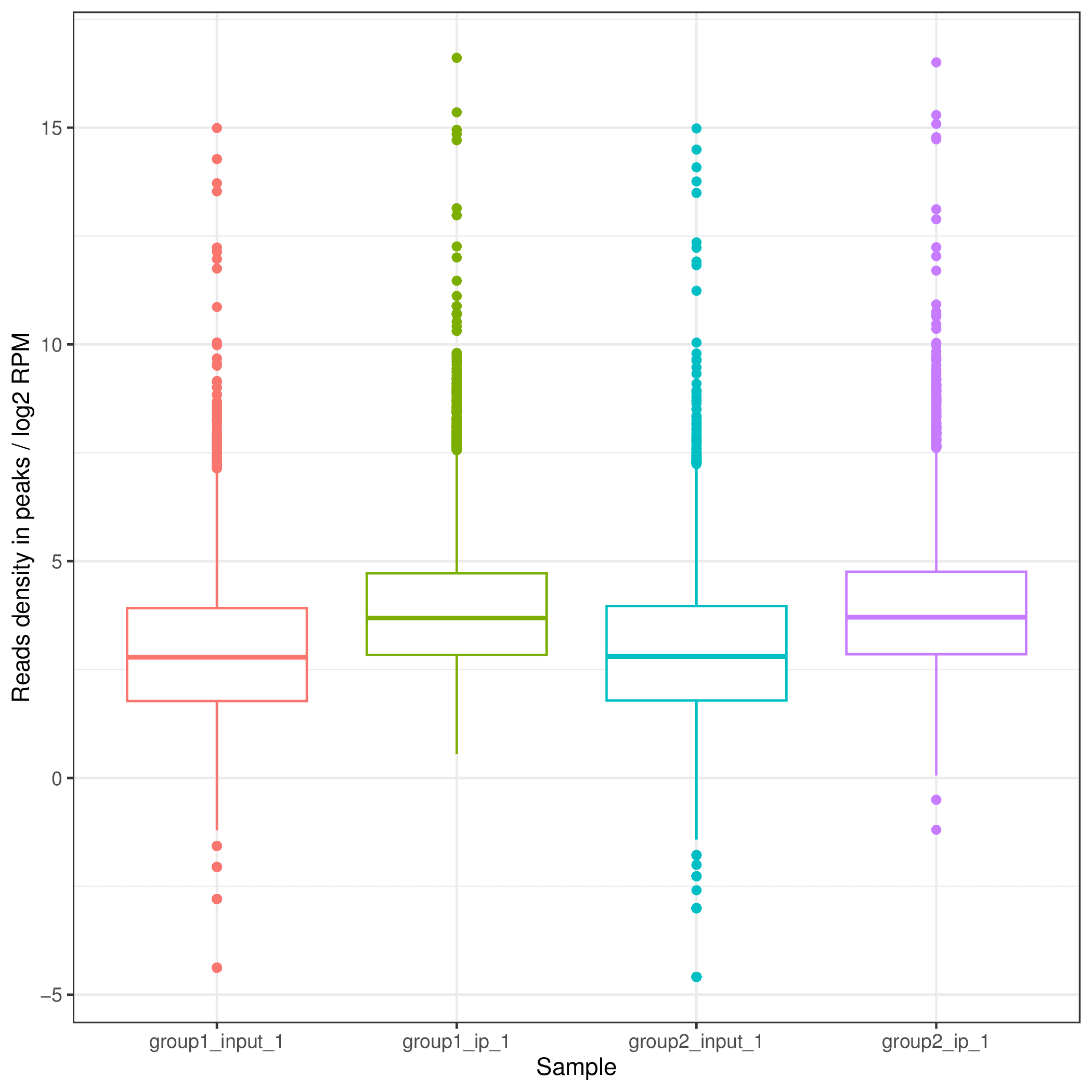
Peak calling
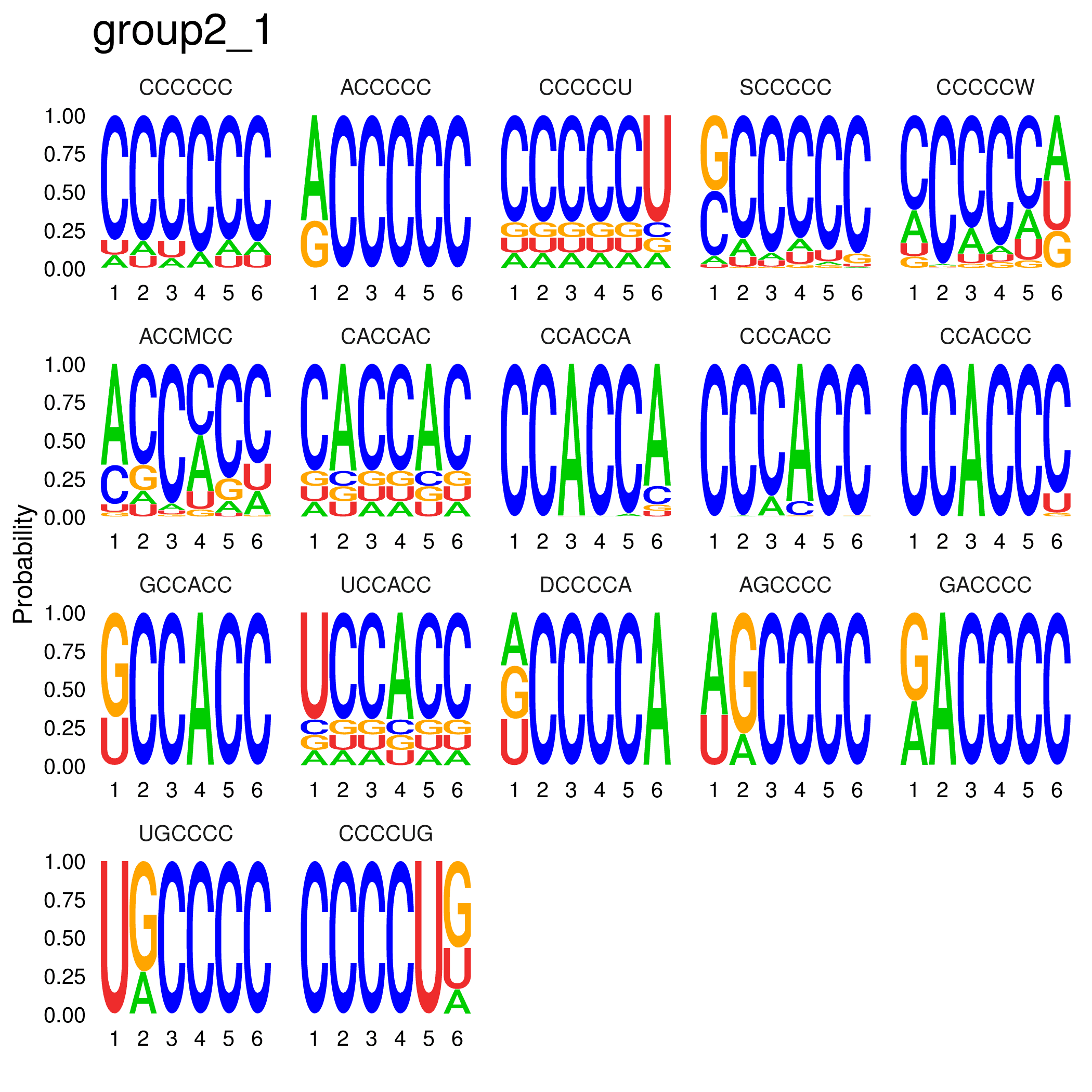
Motif Analysis
Peak annotation
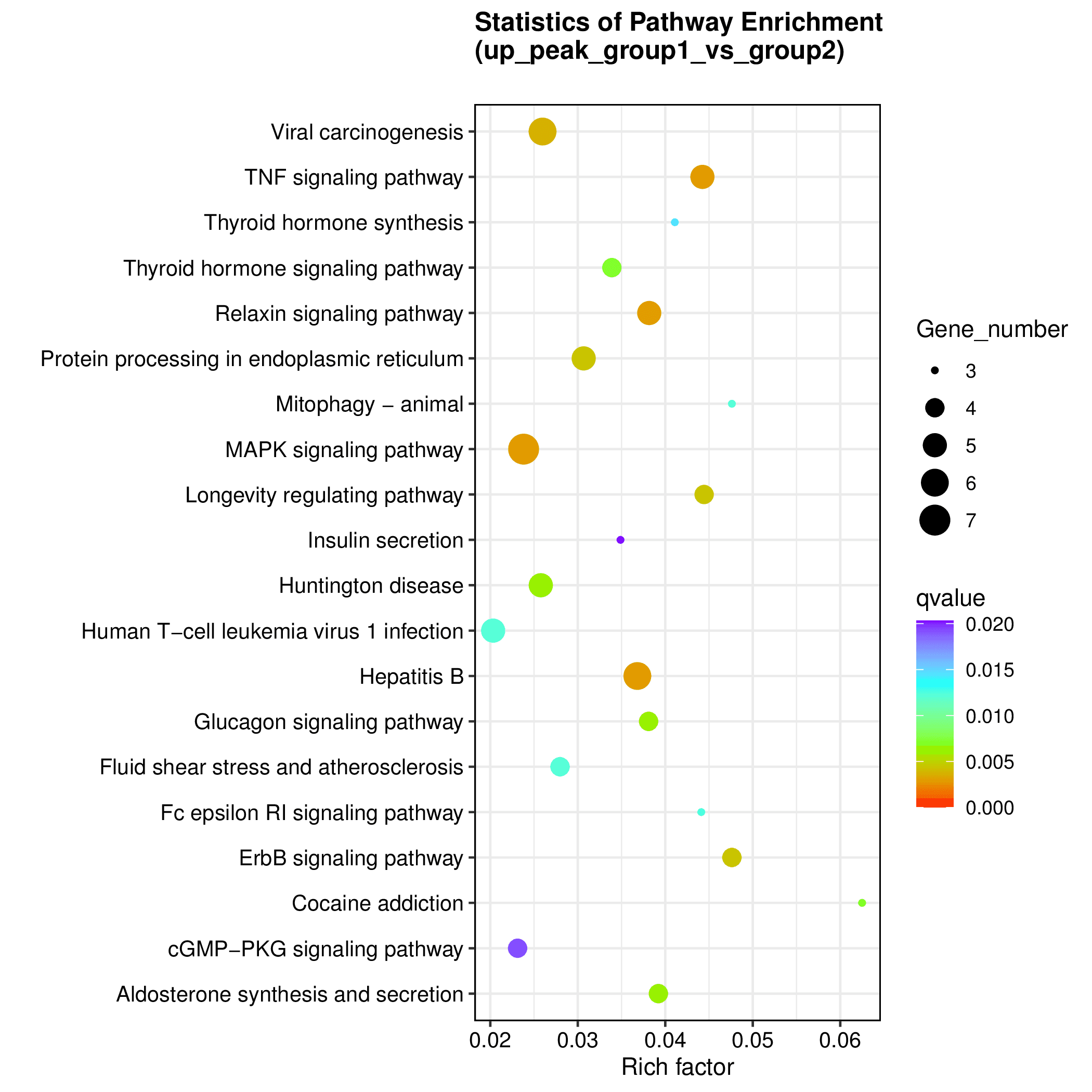
Functional analysis of peak-associated genes
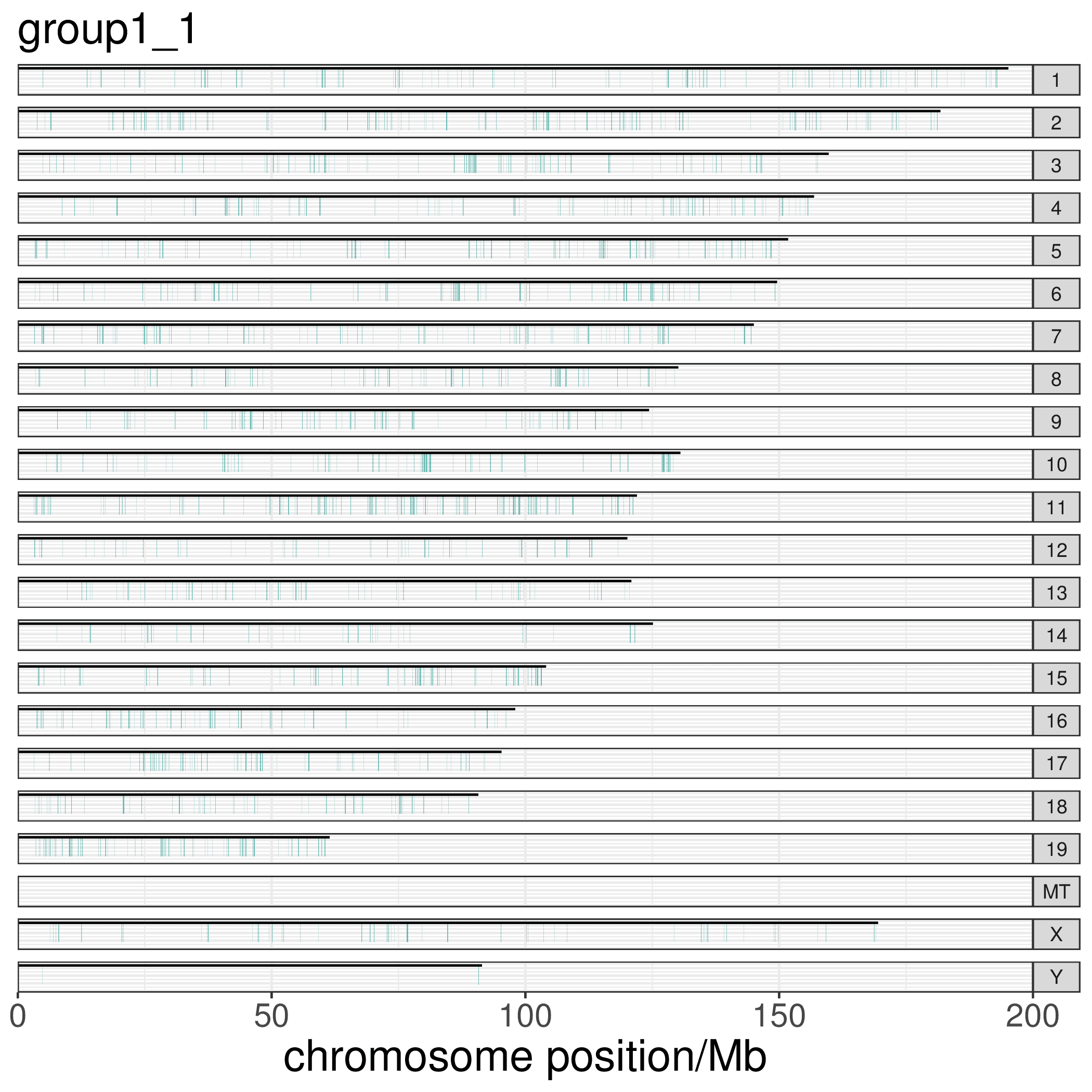
Visualization of RIP-seq data

Novogene Workflow of RIP-seq Service

Novogene RIP-seq service comprises four steps, the first step being the sample preparation followed by RNA library preparation and Illumina PE150 sequencing, and finally, data analysis using bioinformatics pipelines. From RNA sampling to obtaining data reports, each step can influence the quality and quantity of data output, directly affecting the results of subsequent bioinformatics analysis. Novogene ensures stringent verification of each step, including sample quality control, library quality control, and sequencing data quality control, to ensure the high quality, accuracy, and reliability of sequencing data and provides comprehensive bioinformatics analysis.

Novogene Workflow of RIP-seq Service

Resources

Background

Ready to Start Your Project?

Our platform offers tailored solutions for

your unique experimental needs, ensuring a seamless experience from project design to data delivery.