
banner mobile bg

10x Genomics Single Cell Sequencing

(single-cell RNA-Seq or scRNA-Seq or scV(D)J/TCR/BCR-seq, scATAC-Seq) High-resolution single-cell transcriptome profiling to reveal cellular heterogeneity and gene expression dynamics across complex populations.

Single-cell Sequencing (single-cell RNA-Seq or scRNA-Seq or scV(D)J/TCR/BCR-seq, scATAC-Seq) can reveal cell-to-cell differences and cellular heterogeneities that have been completely obscured by bulk sequencing, thus enabling a high-resolution exploration of the function of individual cells. Single-cell sequencing has a wide range of applications across biology and medicine, offering unprecedented insights into cellular behavior and function.

Based on the Miltenyi gentleMACS™ Octo Dissociator, 10x Genomics® Chromium™ X technology, Illumina® NovaSeq™ X Plus platform and Ultima UG 100 platform, Novogene from an expertise perspective offers comprehensive Single-cell RNA Sequencing (single-cell RNA-Seq or scRNA-Seq) solutions from sample processing, library preparation, sequencing to bioinformatic analysis at a cost-effective, competitive price and in a customer-focused manner, allowing you to explore the transcriptome and immune profiling cell-by-cell in the sea of cells.


Single-Cell RNA Sequencing Solutions at Novogene

10x Single Cell RNA-Seq (scRNA-seq)

Powered by 10x Chromium Single Cell 3′ Gene Expression technology, this solution capture and profile gene expression at single-cell resolution to uncover cellular heterogeneity, identify rare cell populations, and characterize complex biological systems with high sensitivity and accuracy.

10x Single Cell Immune Profiling

10x Chromium Single Cell Immune Profiling enables simultaneous analysis of full-length, paired B-cell and T-cell receptor (BCR/TCR) sequences together with 5′ gene expression from individual cells. This approach provides deep insights into T and B cell diversity, V(D)J recombination, and immune repertoire profiling, supporting research in both basic science and personalized medicine.

10x Single Cell ATAC-Seq

Chromium Single Cell ATAC sequencing (Assay for Transposase-Accessible Chromatin) profiles thousands of unique open chromatin regions across the genome at single-cell resolution. This technology reveals gene regulatory landscapes and offers critical insights into gene regulation, chromatin dynamics, and cellular processes.


10x Single Cell Multiome ATAC + RNA

The Epi Multiome ATAC + Gene Expression assay simultaneously measures chromatin accessibility and 3′ gene expression from individual cell nuclei in a single experiment. By directly linking epigenomic regulation with transcriptional output, it enables deeper understanding of cell differentiation, development, and disease mechanisms.

Why Choose Novogene for Single-Cell RNA Sequencing

End-to-End Service
End-to-End Service

Seamless scRNA-seq workflow from sample processing to bioinformatics with publication-ready outputs

Proven Expertise
Proven Expertise

High-quality results with industry-leading turnaround and extensive experience across challenging sample types

Enhanced Sample Processing

Flexible processing including nuclei extraction and specialized frozen tissue workflows for reliable data quality

Certified Excellence

10x Genomics CSP using Chromium X with GEM-X for high reproducibility, sensitivity, and efficiency.

Cost-Effective Solutions

State-of-the-art high-throughput platforms and expert support delivering premium data with competitive pricing

Applications of scRNA-Seq in Research and Medicine

scRNA-seq has become a powerful tool supporting a wide range of research areas, including:

Cancer Research

Resolving cellular heterogeneity within the tumor microenvironment to uncover cancer mechanisms and therapeutic targets.

Immunology

Mapping immune cell diversity and revealing the molecular mechanisms underlying immune regulation and dysfunction.

Neuroscience

Deciphering development and regulatory networks to identify potential therapeutic targets for neurological diseases.

Developmental Biology

Charting cell lineage and developmental trajectories to elucidate the mechanisms of organ formation and tissue differentiation.

Specifications

Sample Requirements

Sample amounts are listed for reference only. Download the Sample Submission Guidelines to learn more. For detailed information, please contact us with your customized requests.


Sample type preferences may vary based on sequencing requirements and sample compatibility.

Sample Input TypeFresh CellFrozen CellFresh Tissue*Frozen Tissue
10x Single Cell RNA-Seq (scRNA-seq)
10x Single Cell Immune Profiling
10x Single Cell ATAC-Seq
10x Single Cell Multiome ATAC+RNA
RequirementRecommend ≥ 1M cells/sample
Minimum ≥ 500K cells/sample
Recommend ≥ 1M cells/sample
Minimum ≥ 500K cells/sample
Varied by specific tissue typeRecommend ≥50 mg
Varied by specific tissue type
Recommended Storage ConditionMACS® Tissue Storage Solution, 4°CCryopreservation**MACS® Tissue Storage Solution, 4°CLong-term: Vapor-phase liquid nitrogen
Short-term: -80°C
Recommended Shipping ConditionsBlue IceDry IceBlue IceDry Ice
*Contact us for species-specific recommendations and tissue type guidance.
**Sample type preferences may vary based on sequencing requirements and sample compatibility.

Sequencing and Analysis

Recommended data outputs and analysis contents displayed are for reference only. For detailed information, please contact us with your customized requests.

Sequencing PlatformIllumina NovaSeq X-Plus or Ultima UG100
Recommended Data5,000-20,000 cell/sample and 20,000 – 50,000 read pairs/cell
AnalysisCell Ranger AnalysisStandard Analysis
Demultiplex BCL files from a sequencer into FASTQs.
Summary metrics (sequencing quality, number of cells detected, the mean reads per cell, and the median genes detected per cell et al.).
Alignment of reads to genome.
Gene expression quantification.
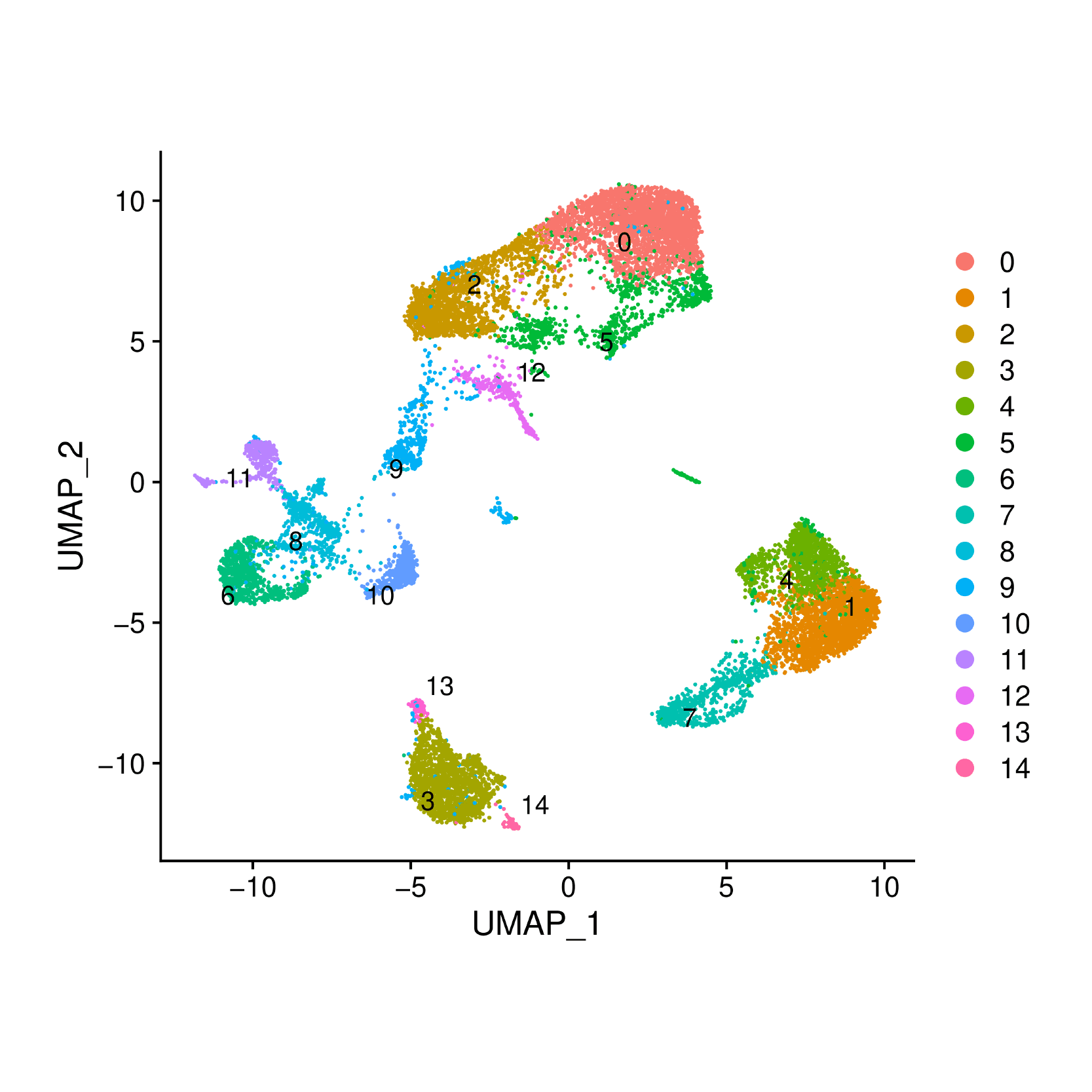
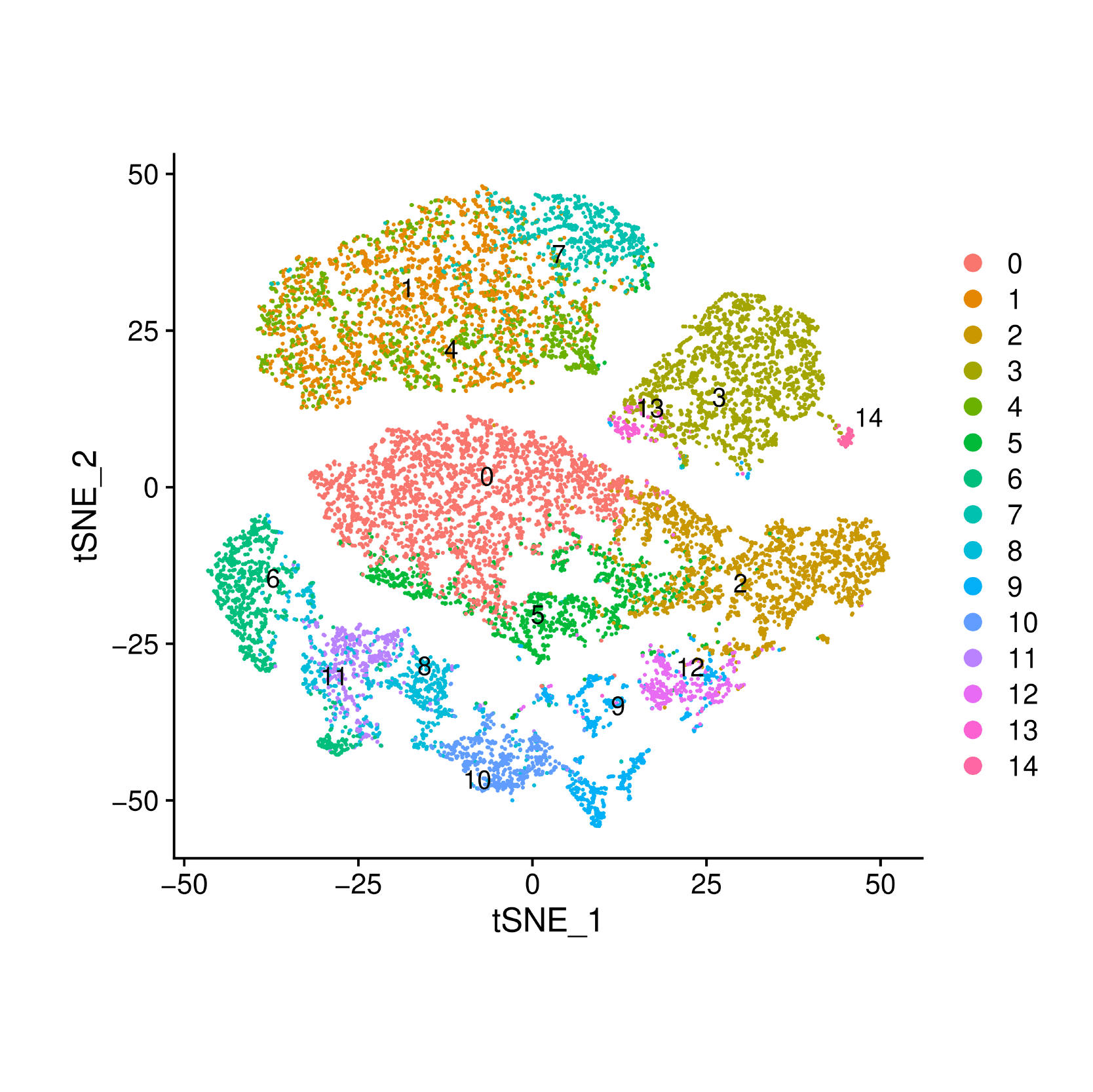
Clustering analysis.
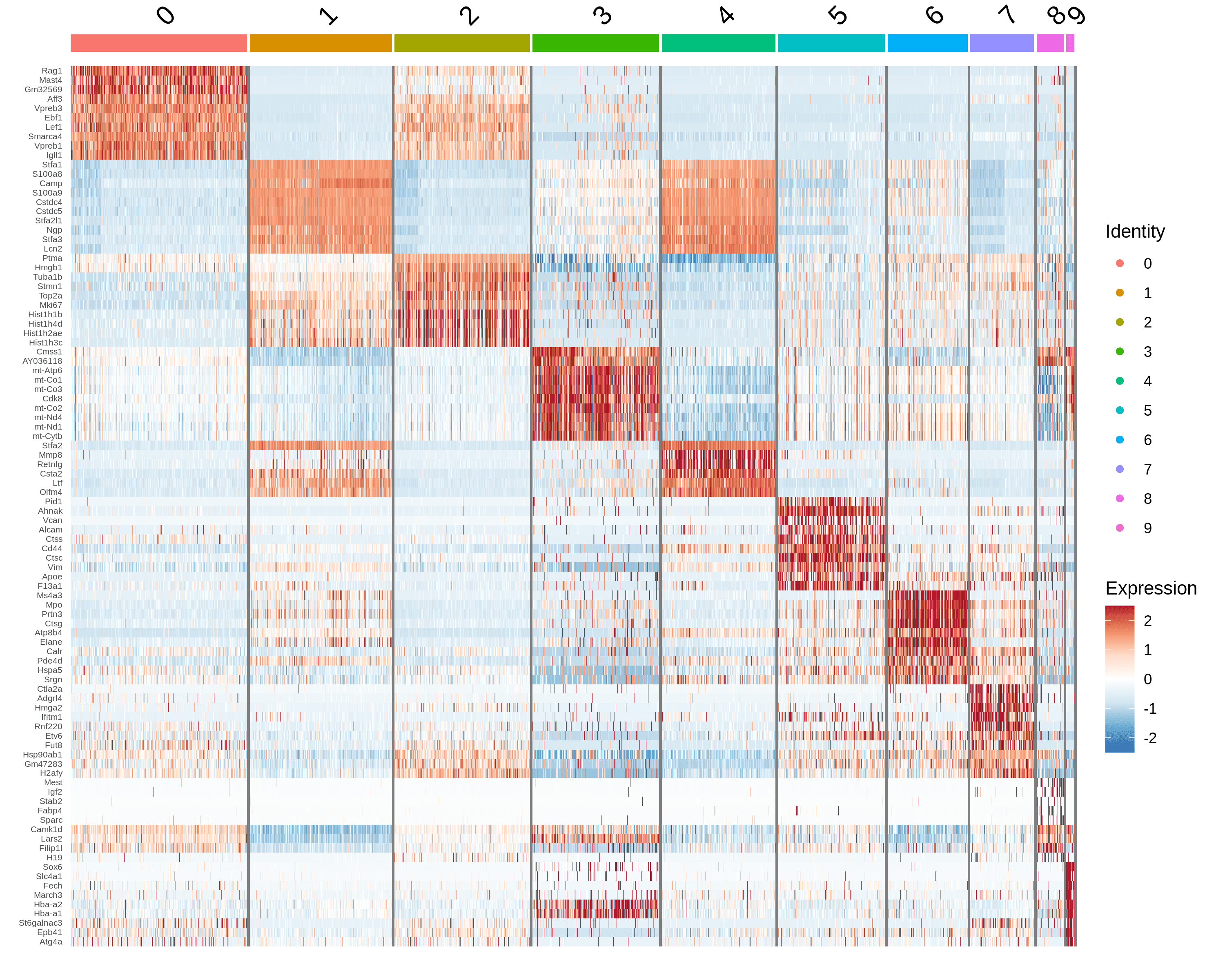
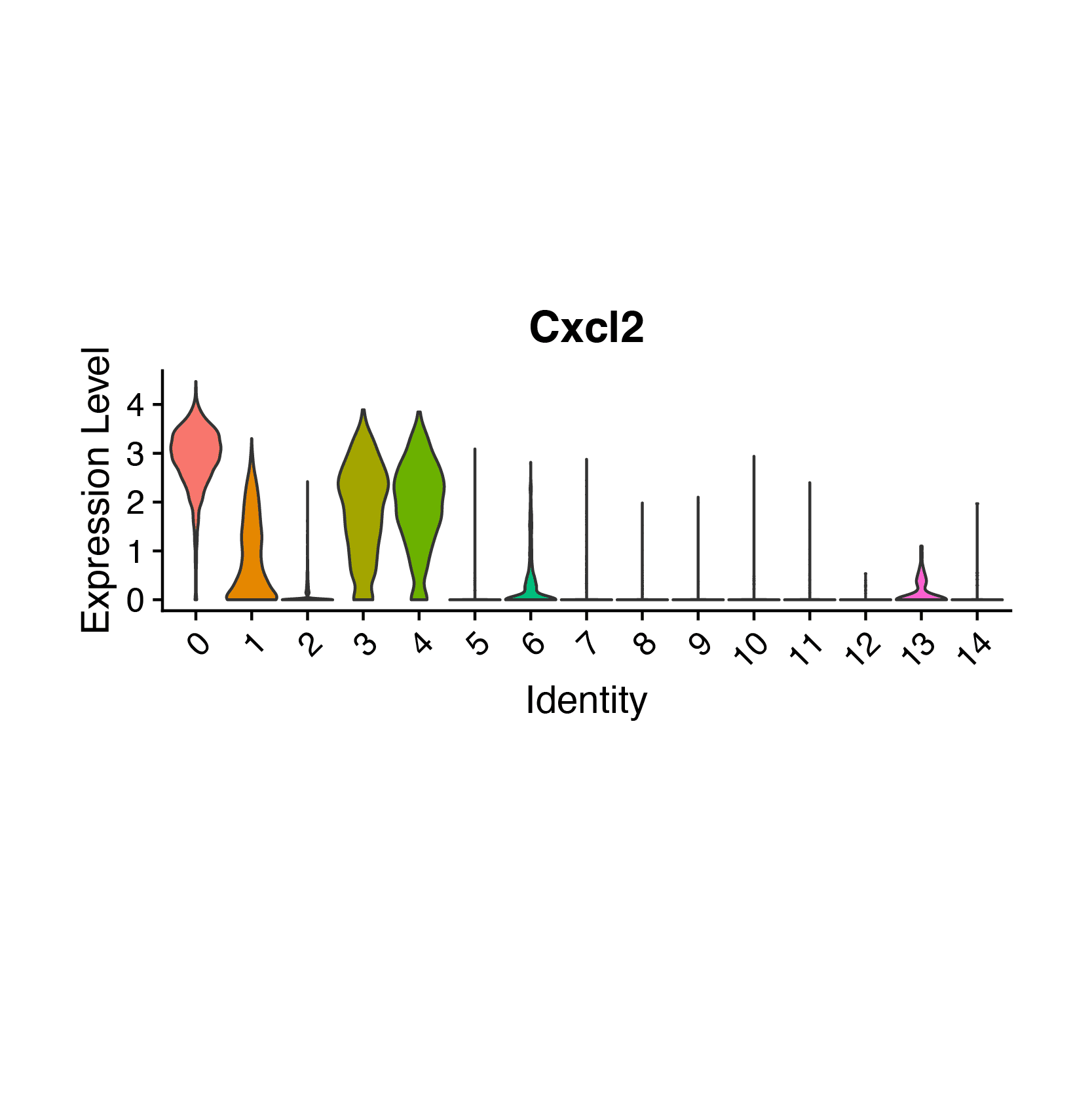
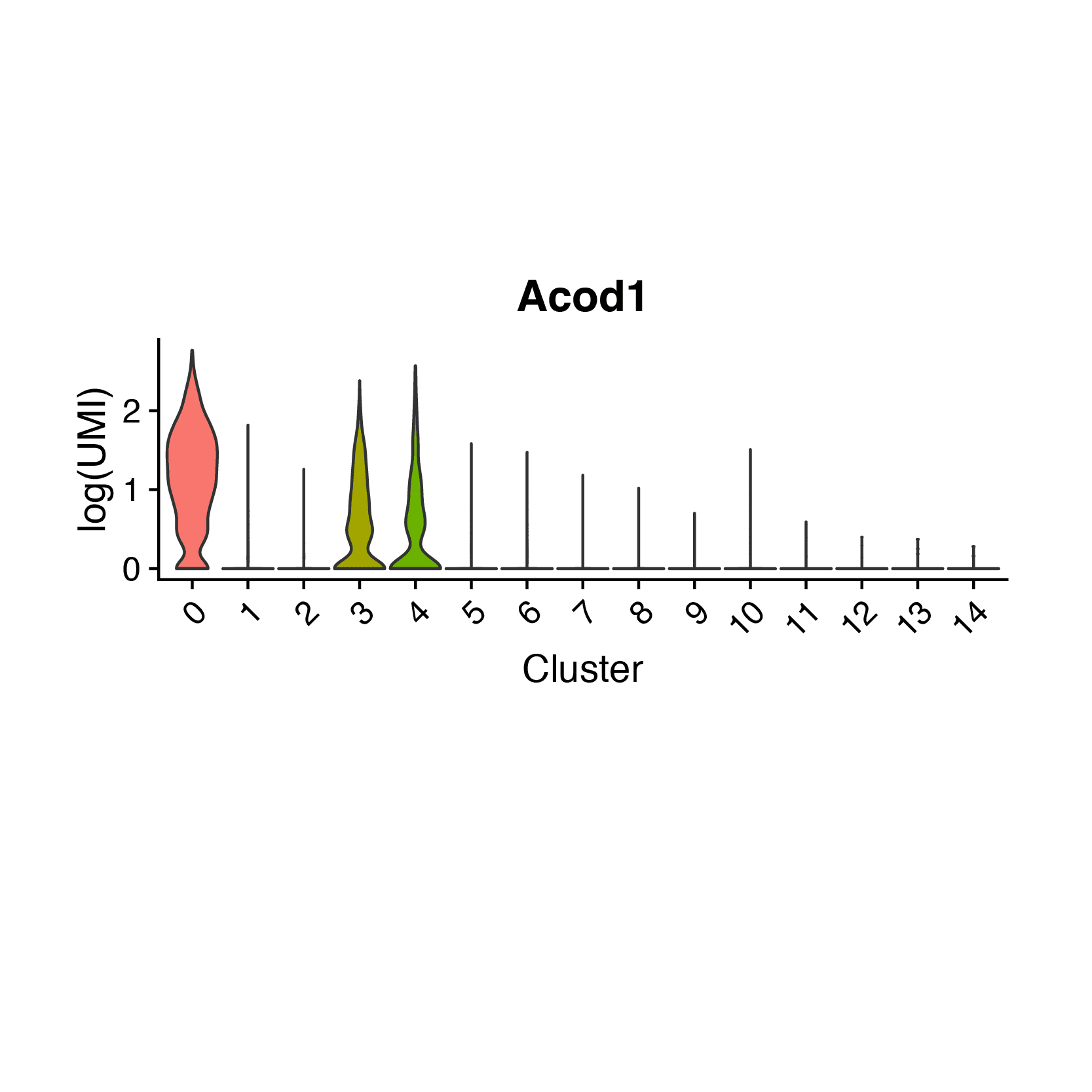
Differentially expression analysis between clusters.
Visualization.
Demultiplex BCL files from a sequencer into FASTQs.
Alignment, UMI counting, Metrics summary.
Identification of highly variable gene (HVGs).
Cell Subpopulation Identification.
Principal component analysis (PCA).
Identify clusters of cells.
Dimensionality reduction and Visualization.
Marker gene detection (Differentially expression analysis between clusters).
GO/KEGG/Reactome Enrichment.
FunctionalAnnotation of Transcription Factor.
Protein-Protein Interaction Network Analysis.

Project Workflow for scRNA-seq

We support an end-to-end suite of services to ensure that our clients gets the best quality data – This includes a pre-project consultation with our application experts in experimental design, subsequent sample preparation, library construction, sequencing, data quality assurance, and bioinformatics analysis.

Project Workflow for scRNA-seq

Resources

Demo Results

Webinars

From Archives to Insights: Larger-Scale Retrospective Discovery with Single-Cell Genomics

Single-cell genomics has revolutionized our ability to dissect heterogeneity across health and disease and has changed our understanding of the tumor ecosystem by providing unprecedented transcriptomic resolution. Despite these advances, leveraging this technology for large-scale retrospective analyses of patient cohorts remains challenging. This webinar will highlight emergent strategies for using archived specimens to reconstruct tumor evolution and immune interactions across space and time.

(From Archives to Insights: Larger-Scale Retrospective Discovery with Single-Cell Genomics)
Genes Driving Electrophysiological Maturation of Primate Prefrontal Neurons

We generated single-nucleus multiomic data from rhesus macaque dorsolateral prefrontal cortex (dlPFC) across fetal stages and performed integrated analyses to study neuronal maturation. Patch-seq was applied to acute dlPFC slices from 16 macaques, linking electrophysiological properties with gene expression profiles. Functional studies of RAPGEF4 and CHD8 revealed that their loss impairs morphological and electrophysiological maturation in macaque and human cortical neurons.

(Genes Driving Electrophysiological Maturation of Primate Prefrontal Neurons)
Transcriptional state dynamics and adaptive tumor evolution in bladder cancer

This webinar will present a recent work from Dr. De’s laboratory which indicates that phenotypic plasticity and dynamic, non-genetic intra-tumor heterogeneity modulate both the trajectory of disease progression and adaptive treatment response in UBC.

(Transcriptional state dynamics and adaptive tumor evolution in bladder cancer)
From Sample to Sequencing: Optimizing Single-cell Workflows with Novogene and Miltenyi

Join us for an insightful webinar as Novogene collaborates with Miltenyi Biotec to present a comprehensive introduction to Novogene’s Single Cell Transcriptome Sequencing Service powered by 10x Genomics Chromium technology. In this session, we will share real case study data to provide an in-depth understanding of the service. A sample preparation expert from Miltenyi Biotec will also walk you through their product portfolio, highlighting the key tools that can enhance your single cell research, and explain how their technology facilitates and ensures the success of single cell transcriptome sequencing from sample storage to tissue dissociation and cleanup.

(From Sample to Sequencing: Optimizing Single-cell Workflows with Novogene and Miltenyi)

Blogs

Background

Ready to Start Your Project?

Our platform offers tailored solutions for

your unique experimental needs, ensuring a seamless experience from project design to data delivery.